


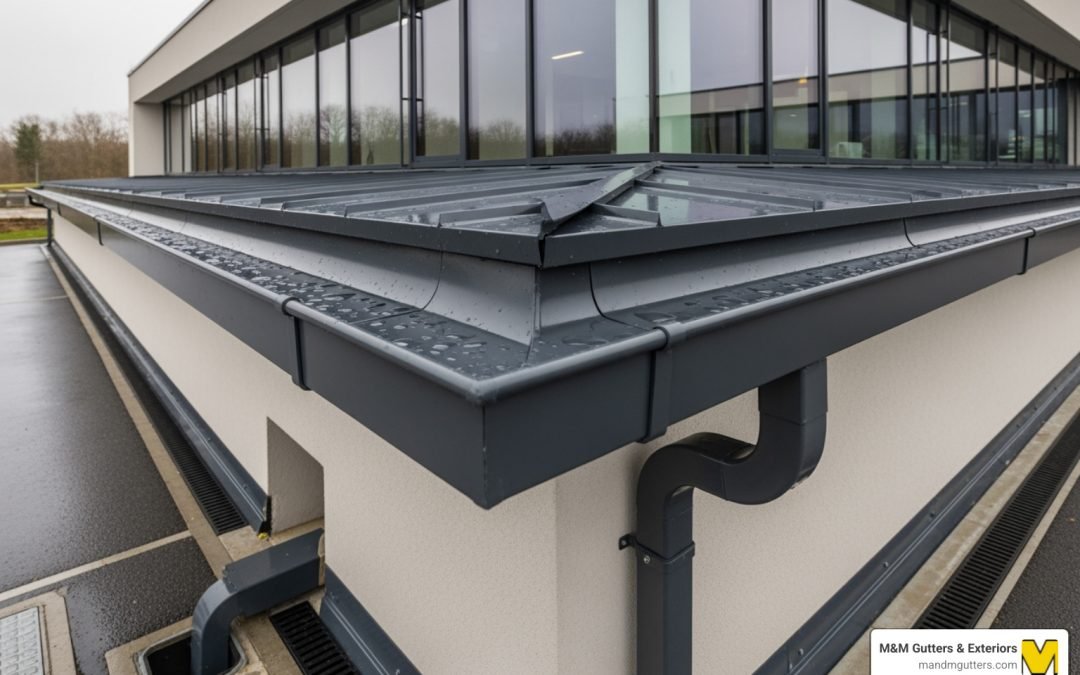
Understanding FRP Rainwater Gutters: A Modern Solution for Water Management
FRP rainwater gutter systems are drainage channels made from Fiber Reinforced Plastic—a composite material combining UV-stabilized resins with a glass fiber matrix. Here’s what makes them different:
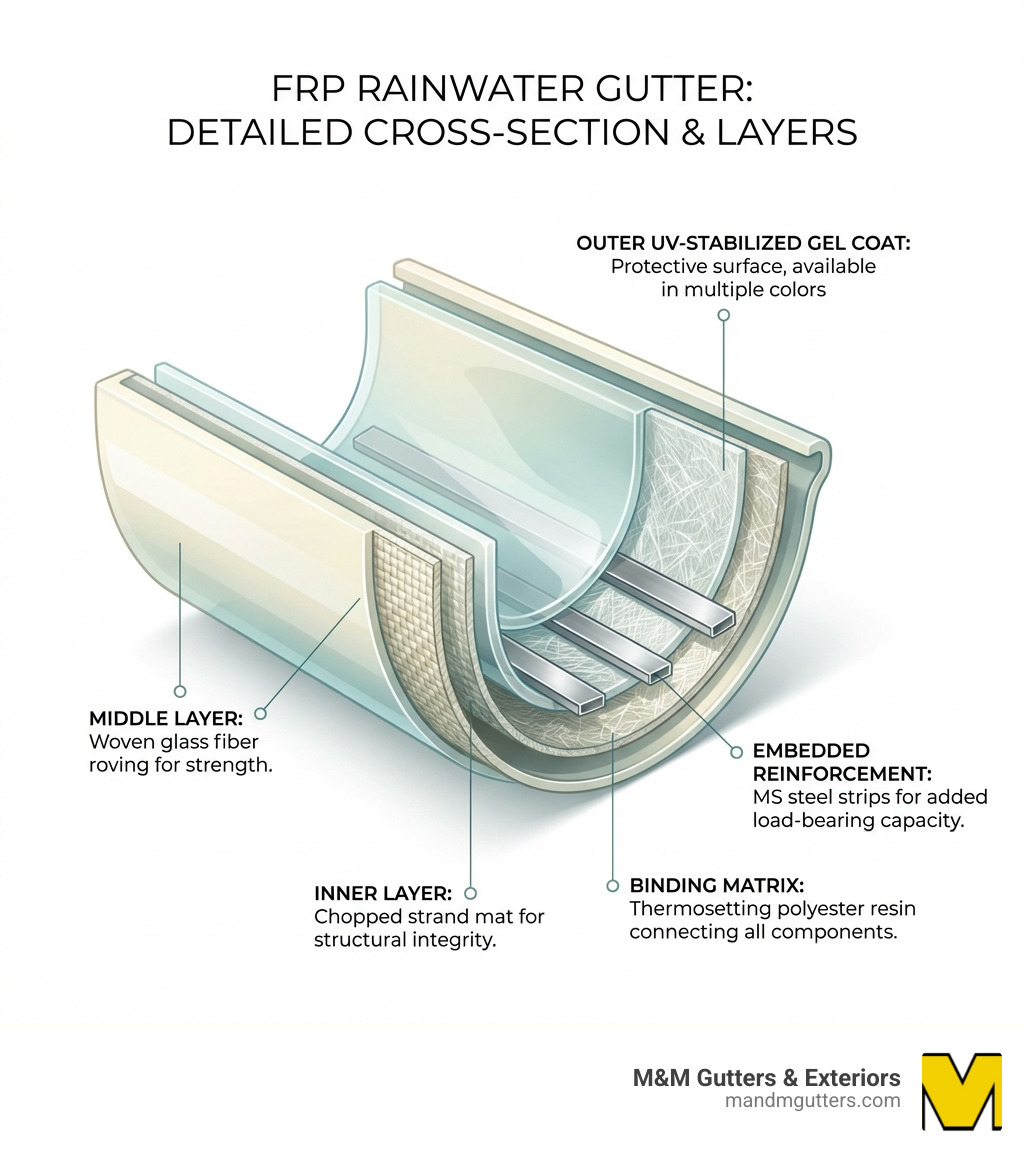
- Material Composition: Glass fibers embedded in thermosetting polyester resin, reinforced with optional steel strips
- Key Features: Corrosion-resistant, lightweight, seamless design, leak-proof joints
- Common Applications: Industrial buildings, commercial complexes, residential homes, rainwater harvesting systems
- Lifespan: 15-25+ years with minimal maintenance
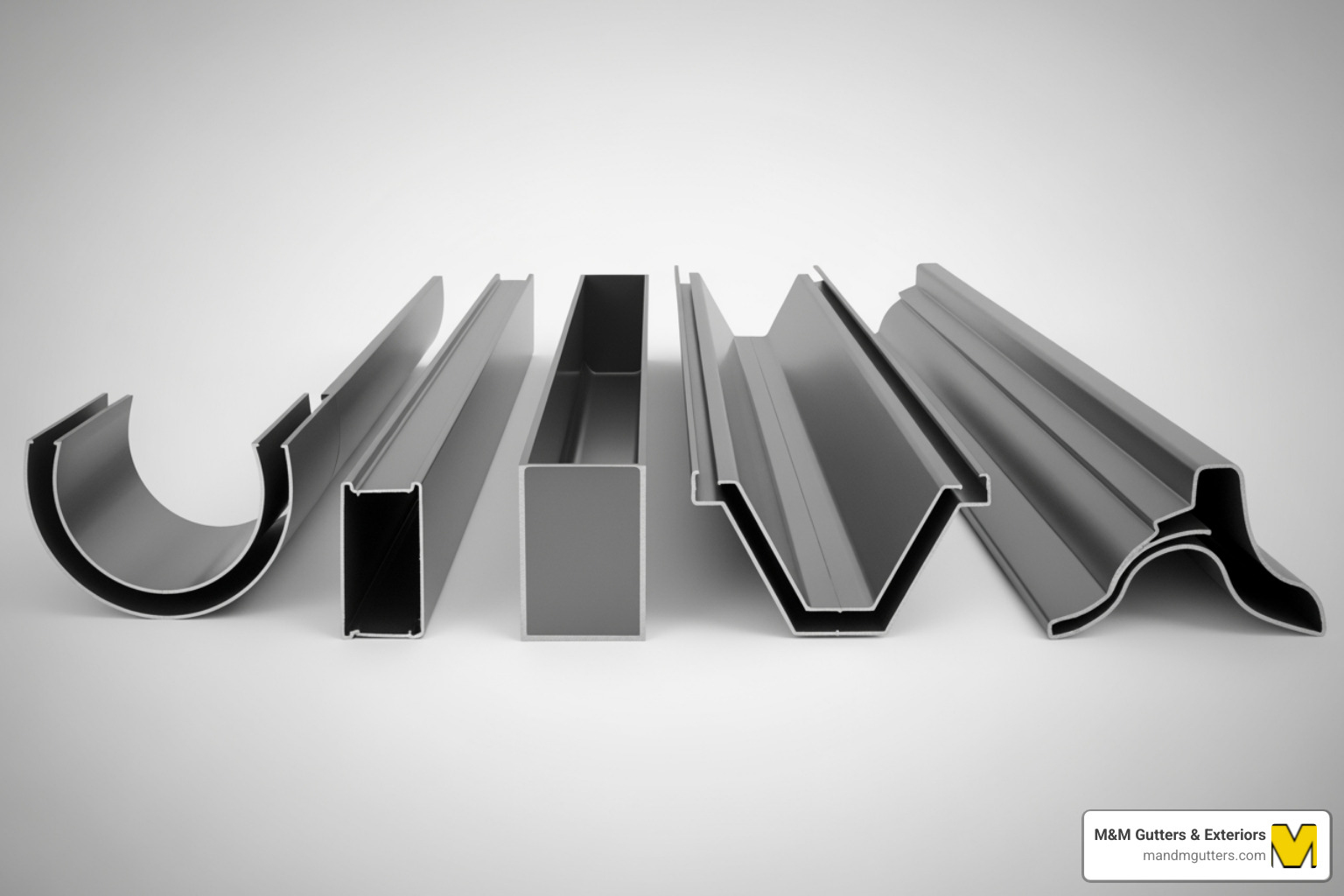
- Available Types: U-shape, Box, Valley, and Eaves gutters in customizable sizes and colors
Traditional gutters made from mild steel or galvanized iron corrode quickly under harsh weather conditions. As one manufacturer notes, “Gutter becomes the weak point / link in the whole building which houses very expensive machinery beneath it.” This is where FRP technology changes the game—offering a maintenance-free solution that eliminates the chronic issues of rust, leakage, and structural failure.
The manufacturing process involves layering chopped strand mat and woven roving with UV-stabilized resin, creating a single-cast laminate with a smooth, glossy finish. Many FRP gutters are further reinforced with embedded mild steel strips for additional structural strength, achieving load-bearing capacities of 300-500 kg per running meter.
I’m Nathan Nuttall from M&M Gutters & Exteriors, and over three decades of serving Utah homeowners, I’ve seen how critical proper drainage systems are for protecting your property investment. While we specialize in traditional gutter materials suited to Utah’s climate, understanding innovations like FRP rainwater gutter technology helps homeowners make informed decisions about their building’s water management needs.
The Best Advantages of FRP Over Traditional Gutters
When we talk about protecting your home or business from the relentless forces of nature, especially the unpredictable weather patterns we experience across Utah, the choice of rainwater gutter material is paramount. For decades, traditional materials like galvanized iron (GI), mild steel (MS), and even asbestos cement have been the go-to. However, they come with a host of challenges—corrosion, heavy weight, and frequent maintenance being just a few. This is where FRP rainwater gutter systems truly shine, offering a modern, robust alternative that addresses these issues head-on.
Let’s look at how FRP rainwater gutter systems stack up against their traditional counterparts:
| Feature | FRP Gutter | MS/GI Gutter | Aluminum Gutter | Asbestos Cement Gutter |
|---|---|---|---|---|
| Corrosion Resistance | Excellent | Poor | Good | Excellent |
| Strength-to-Weight Ratio | Excellent | Good | Good | Poor |
| Lifespan | Excellent | Bad | Good | Good |
| Maintenance | Excellent | Bad | Good | Bad |
| Installation Ease | Excellent | Good | Excellent | Bad |
| Joints (Leak-Proof) | Excellent | Bad | Good | Bad |
| Accidental Repairs | Excellent | Excellent | Bad | Bad |
As you can see, FRP consistently ranks as an excellent choice across critical metrics. Its lightweight nature, combined with high impact strength, makes it a surprisingly resilient material. Imagine a gutter system that can withstand hail, heavy snow loads, and even minor impacts without denting or cracking – that’s the promise of FRP. Its seamless sections and leak-proof designs are a game-changer, ensuring that water flows smoothly and efficiently away from your property, preventing costly water damage and foundation issues.
If you’re exploring your options for a new gutter system, our Rain Gutter Materials Guide provides a comprehensive overview of choices, but FRP stands out for its unique blend of durability and performance.
Why FRP Excels in Harsh Environments
The climate in Utah, with its hot summers, cold winters, and occasional heavy precipitation, demands building materials that can endure. This is precisely where FRP rainwater gutter systems demonstrate their superior capabilities.
- Corrosion and Rust Resistance: Unlike metal gutters that can rust and degrade, FRP is inherently corrosion-resistant. This makes it ideal for areas exposed to moisture, chemicals, or even salt (though Salt Lake City isn’t coastal, road salts in winter can be a factor). This resistance means your gutters won’t weaken or stain your building’s exterior with rust streaks.
- UV Resistance: The manufacturing process of FRP gutters includes UV stabilization. This crucial feature protects the material from the sun’s harsh ultraviolet rays, preventing degradation, fading, and brittleness over time. This ensures your gutters maintain their structural integrity and aesthetic appeal for decades, even under Utah’s intense summer sun.
- Dimensional Stability: FRP gutters exhibit excellent dimensional stability at high temperatures. This means they won’t warp, sag, or become brittle under extreme heat or cold, a common problem with some plastic or even metal gutters that expand and contract significantly. This stability is key to maintaining proper slope and drainage efficiency year-round.
For industrial and commercial properties, particularly those exposed to chemical fumes or demanding operational conditions, FRP’s chemical resistance further solidifies its position as a top choice. It’s a material designed to perform consistently in challenging environments, keeping water flowing and your property protected.
Long-Term Value and Performance
When we invest in a gutter system, we’re not just buying a product; we’re investing in the long-term protection of our property. This is where FRP rainwater gutter systems truly deliver exceptional value.
One of the most appealing aspects of FRP is its maintenance-free nature. Forget about routine painting or frequent repairs due to rust or deterioration. Because the color is often inbuilt into the material during manufacturing, it doesn’t chip, peel, or fade, eliminating the need for repainting. This means fewer chores for you and more time to enjoy your home or focus on your business.
FRP gutters boast an impressive long lifespan, often ranging from 15 to 25 years or even more with proper installation and occasional cleaning. This longevity far surpasses that of many traditional materials, translating into significant cost savings over the life of your property. Should any unexpected damage occur (though rare, thanks to their high impact strength), FRP gutters are surprisingly easy to repair on-site. Minor damage can often be patched, making repairs less disruptive and more cost-effective than replacing entire sections.
For a deeper dive into how different materials compare in terms of longevity, check out our article on How Long Do Rain Gutters Last?. We believe in providing solutions that stand the test of time, and FRP is certainly a contender in that regard.
Choosing the Right FRP Rainwater Gutter for Your Project
Selecting the right FRP rainwater gutter involves more than just picking a color. It requires understanding the different types, designs, and specifications available to ensure optimal performance for your specific building. Whether it’s a busy commercial complex in Salt Lake City, a quiet residential home in Utah County, or an industrial warehouse in Tooele County, the right FRP gutter system can make all the difference in effective water management.
FRP rainwater gutter systems are incredibly versatile, finding applications across a wide spectrum of buildings:
- Industrial Buildings and Warehouses: These structures often have large roof areas and require heavy-duty drainage to prevent water accumulation, which could damage equipment or inventory. FRP’s strength and capacity make it an excellent fit.
- Commercial Complexes and Malls: Aesthetics matter here, but so does functionality. FRP offers both, with customizable designs that can blend seamlessly with modern architecture while efficiently managing significant water runoff.
- Residential Homes: While perhaps less common than traditional materials in residential settings in our area, FRP offers homeowners a durable, low-maintenance option that can withstand Utah’s weather.
- Factories and Manufacturing Units: In environments where corrosion is a concern due to industrial processes, FRP’s chemical resistance is a huge advantage.
- Rainwater Harvesting Systems: For those looking to collect rainwater, FRP gutters provide a clean, non-corrosive channel that won’t introduce contaminants from rust or paint.
Common Types and Designs
Just like other gutter materials, FRP rainwater gutter systems come in various profiles, each suited for different architectural styles and drainage needs. We understand that every building is unique, and so are its gutter requirements.
Here are the most common types and designs you’ll encounter:
- U-Shape (Half-Round) Gutters: These classic gutters have a smooth, curved bottom that allows water to flow freely, reducing debris buildup. They are often chosen for their aesthetic appeal, particularly on older or more traditional architectural styles.
- Box (K-Style) Gutters: The most popular profile, K-style gutters feature a flat back and bottom with a decorative front that resembles crown molding. Their angular design provides excellent capacity and a contemporary look, making them a common choice for modern homes and commercial buildings.
- Valley Gutter: These are designed specifically for the internal angles (valleys) of a roof where two roof planes meet. They channel a high volume of water efficiently from these critical areas.
- Eaves Gutter: These are the standard gutters installed along the eaves (edges) of a roof, collecting water as it runs off the roof surface.
- Custom Profiles: One of the significant advantages of FRP is its moldability. Manufacturers can create custom profiles in various shapes and sizes to meet specific architectural demands or unique drainage challenges. This flexibility is a huge plus for specialized projects.
For a broader understanding of gutter profiles, our guide on Different Types of Rain Gutters offers more insights.
Key Specifications for Your frp rainwater gutter
When considering an FRP rainwater gutter system, several key features and specifications will influence its performance, longevity, and suitability for your project. Think of these as the building blocks of a robust drainage solution.
- Thickness (mm): This is a critical factor influencing the gutter’s strength and durability. Common thicknesses range from 3mm to 8mm, with industrial applications often requiring thicker materials for improved load-bearing capacity. A thicker gutter generally means greater resilience against impact and structural stress.
- Length: FRP gutters can be manufactured in various lengths, typically from 2 to 5 meters (approximately 6.5 to 16.4 feet) or even longer, up to 3.66 meters (12 feet) in some cases. Longer sections mean fewer joints, which translates to fewer potential leak points and a more seamless, efficient system.
- Reinforcement (MS strips): For applications requiring exceptional strength and load-bearing capacity, FRP rainwater gutter systems can be reinforced with embedded Mild Steel (MS) strips. These strips are strategically placed within the FRP matrix, significantly increasing mechanical strength and preventing sagging, especially over longer spans or under heavy loads like snow and ice, which we frequently experience in Northern Utah.
- Surface Treatment (Gel Coat): A high-quality FRP gutter will feature a UV-stabilized gel coat as its outermost layer. This isn’t just for aesthetics; it provides crucial protection against weathering, UV degradation, and helps maintain the smooth, glossy finish that facilitates water flow and prevents debris adhesion.
- Load-Bearing Capacity: Reinforced FRP gutters can achieve impressive load-bearing capacities, often in the range of 300-500 kilograms per running meter. This is essential for industrial roofs or areas prone to heavy snow accumulation, ensuring the gutter system can handle significant weight without failure.
- Color Customization: FRP offers remarkable flexibility in color. With inbuilt colors that don’t require painting, you can choose from a wide range of options to perfectly match or complement your building’s exterior, maintaining aesthetic harmony.
Choosing the right specifications means understanding your specific needs and environmental conditions. Our article Which Kind of Rain Gutter is Best for You and Your Home? offers guidance on making informed decisions for your property.
Installation and Lifespan of Your FRP Gutter System
Even the most technologically advanced gutter system won’t perform optimally without proper installation. For FRP rainwater gutter systems, which offer such significant advantages, correct installation is key to open uping their full potential and ensuring a long, trouble-free lifespan.
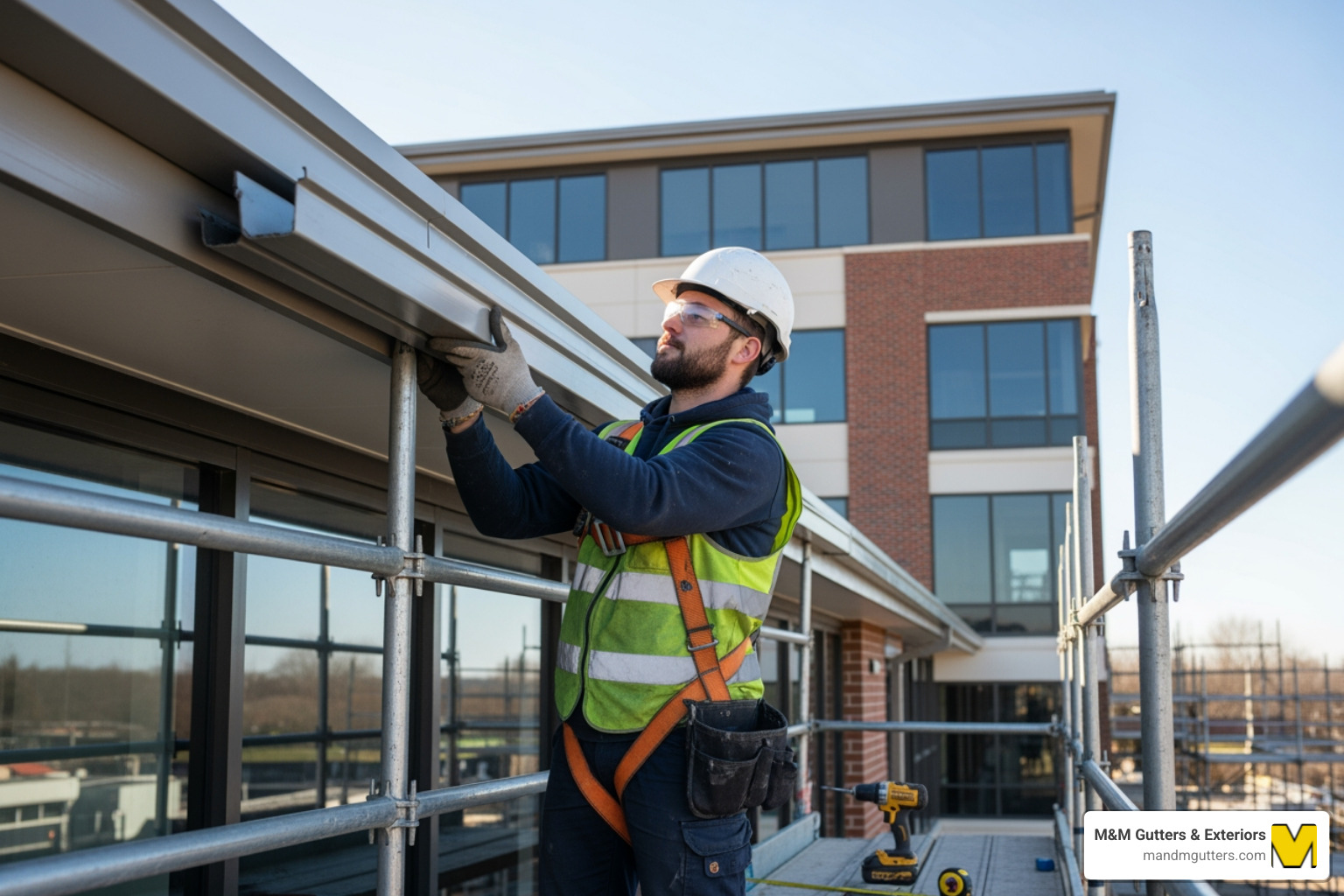
The installation process for FRP rainwater gutter systems typically involves several critical components:
- Support Brackets (MS brackets): While FRP is lightweight, it still needs robust support. Mild Steel (MS) brackets are commonly used to securely fasten the gutters to the building’s fascia or roof structure. These brackets are essential for maintaining the gutter’s slope and load-bearing capacity, especially in areas with heavy snowfall.
- Seating Arrangement: The design often includes a “seating arrangement” or specific fixing points that allow for linear extension and secure attachment, ensuring the gutter sections are properly aligned and supported.
- Step-Jointing Module: This innovative design feature ensures leak-proof connections between gutter sections. Instead of simple overlapping, the step-jointing module creates a secure, sealed union that prevents water seepage. Some FRP gutters can even be monolithically cast in long pieces, further reducing the number of joints and potential leak points.
- Drainage Outlets and Downpipes: Just like any gutter system, FRP gutters are designed with appropriate diameter outlets to efficiently channel collected rainwater into downpipes, directing it away from the building’s foundation.
We’ve seen our fair share of issues arising from incorrect gutter installations. To avoid common pitfalls, it’s always best to rely on experienced professionals. Our article on Common Gutter Installation Mistakes highlights why expertise matters.
Installation Best Practices for an frp rainwater gutter
Ensuring your FRP rainwater gutter system performs flawlessly for decades requires meticulous attention to installation details. Here are some best practices we advocate for:
- Professional Installation: While FRP gutters are relatively lightweight and easy to handle, their installation demands precision. Professionals understand the nuances of proper support spacing, ensuring the gutters can handle expected water and snow loads. This is particularly crucial in areas like Summit County, where snow loads can be substantial.
- Proper Support Spacing: The distance between support brackets is vital. For FRP gutters, supports are typically spaced every 500-750 mm (approximately 20-30 inches), depending on the gutter’s design, thickness, and anticipated load. This ensures even weight distribution and prevents sagging.
- Sealing Joints: Even with advanced step-jointing modules, proper sealing of any connections is paramount to achieving a truly leak-proof system. High-quality sealants specifically designed for FRP materials should be used.
- Ensuring Correct Slope: A slight, consistent slope (typically 1/16 to 1/8 inch per foot) is necessary to ensure water drains efficiently towards the downpipes. Without this, water can pool, leading to stagnant water, debris buildup, and potential overflow.
- Leak Testing: A good practice after installation is to perform a leak test by filling the gutter sections with water. This simple step can identify any potential leaks or drainage issues before the first heavy rain, allowing for immediate adjustments.
Attempting complex installations yourself can lead to costly mistakes. Our stance on professional repairs applies equally to installations: Why Gutter Repairs Should Be Left to the Pros.
Maintenance and Expected Lifespan
One of the most attractive benefits of an FRP rainwater gutter system is its remarkably low maintenance profile. Unlike traditional metal gutters that might require sealing, painting, or rust treatment, FRP largely takes care of itself.
- Low Maintenance: FRP gutters are often described as “maintenance-free” or requiring “minimal maintenance.” This is largely due to their inherent resistance to corrosion, UV degradation, and their smooth, non-porous surface. They don’t rust, corrode, or need painting, saving you time and money over the years.
- Routine Cleaning: While they don’t degrade like other materials, all gutters still need routine cleaning to remove accumulated debris like leaves, twigs, and dirt. This is especially true after heavy storms or during autumn in leafy areas. A simple cleaning schedule will prevent clogs and ensure efficient water flow.
- Debris Removal: The smooth, glossy finish of FRP gutters helps prevent debris from sticking, making cleaning easier. However, regular checks, especially in areas with many trees, are still important to prevent blockages.
- Inspection for Damage: Though highly durable, it’s always wise to periodically inspect your gutters for any signs of physical damage, especially after severe weather events. The good news is that FRP is often easily repairable on-site, making any necessary fixes straightforward.
- Expected Longevity: With proper installation and minimal routine cleaning, FRP rainwater gutter systems can easily last 15 to 25 years, and often beyond. This impressive longevity makes them a sound, long-term investment for any property owner in the Salt Lake City area.
For helpful tips on keeping your entire gutter system in top shape, our article on Helpful Tips for Maintaining Your Gutter System offers valuable advice.
Frequently Asked Questions about FRP Gutters
We often get questions about new and innovative materials like FRP. It’s natural to want to understand all the details before making a significant investment in your home or commercial property’s drainage system. Here are some of the most common questions we hear about FRP rainwater gutter systems:
How much do FRP rainwater gutters cost?
The cost of FRP rainwater gutter systems can vary depending on several factors, making it challenging to give a single price. While some sources mention prices in Indian Rupees, we can generalize the factors that influence pricing in our market:
- Material Thickness: Thicker FRP gutters, offering greater strength and durability, will naturally command a higher price.
- Length and Size: Custom lengths and larger gutter profiles (e.g., for industrial applications with high water flow) will impact the overall cost.
- Customization: Any specific custom shapes, colors, or specialized reinforcements (like embedded MS strips) will add to the price.
- Installation Complexity: The design of your roof, accessibility, and the overall complexity of the installation will play a significant role in the total project cost.
- Long-Term Cost-Effectiveness vs. Traditional Materials: While the initial outlay for FRP might be comparable to or slightly higher than some traditional materials, its long lifespan and virtually maintenance-free nature often result in a lower total cost of ownership over time. When you factor in the avoided costs of repairs, repainting, and replacements associated with rust-prone or less durable materials, FRP can be a very cost-effective choice in the long run.
For a general understanding of gutter pricing, our article What is the Average Cost of Rain Gutters? can provide a starting point for comparison.
Can FRP gutters be customized?
Absolutely! One of the standout advantages of FRP rainwater gutter systems is their incredible versatility and customization potential. This makes them highly adaptable to a wide range of architectural styles and specific drainage requirements.
- Customization Process: Because FRP is a composite material formed through molding and layering, it can be manufactured into virtually any shape or size. This allows for bespoke solutions that perfectly fit unique rooflines or architectural designs.
- Size and Shape Options: Beyond the standard U-shape, Box, Valley, and Eaves profiles, FRP can be molded into custom dimensions to handle specific water volumes or to integrate seamlessly with unusual building structures. You can specify precise widths, depths, and lengths.
- Color Matching: With inbuilt colors that don’t fade, FRP gutters can be produced in a vast array of colors to match your building’s exterior. This eliminates the need for painting and ensures a consistent, long-lasting aesthetic.
- Reinforcement Options: As mentioned, FRP gutters can be customized with embedded MS (Mild Steel) strips for improved strength, custom to the anticipated load and span requirements of your project.
- Lead Times for Custom Orders: While standard sizes might be readily available, custom orders will naturally require more lead time for design, mold creation (if necessary), and manufacturing. It’s always best to discuss your customization needs early in the planning process.
This level of customization ensures that your FRP rainwater gutter system is not just functional but also aesthetically integrated with your property.
Are FRP gutters suitable for residential homes?
While FRP rainwater gutter systems are often highlighted for their industrial and commercial applications due to their strength and corrosion resistance, they are indeed suitable for residential homes, offering a range of compelling benefits for homeowners in areas like Salt Lake City and across Utah.
- Residential Benefits: For homeowners, the primary benefits include exceptional durability, very low maintenance, and a long lifespan. Imagine not having to worry about your gutters rusting, rotting, or requiring frequent repairs for decades. This peace of mind is invaluable.
- Aesthetic Appeal: With the ability to customize colors and maintain a smooth, glossy finish, FRP gutters can be designed to improve the aesthetic appeal of your home. The inbuilt colors mean no peeling paint, ensuring your home looks sharp year after year.
- Durability for Homes: Utah’s weather, with its heavy snow in winter and intense sun in summer, can take a toll on traditional gutter materials. FRP’s resistance to UV, corrosion, and its high impact strength make it a robust choice that can withstand these environmental stresses far better than many alternatives.
- Lightweight Advantage for Residential Structures: FRP’s lightweight nature is beneficial for residential structures as well. It places less strain on the fascia and roof structure compared to heavier metal gutters, potentially simplifying installation and reducing the need for extensive structural reinforcement.
FRP gutters offer a modern, high-performance solution that protects your home effectively and beautifully, much like any well-designed gutter system should. To understand the fundamental role gutters play in safeguarding your home, read our guide on How Do Gutters Protect Your Home?.
Secure Your Property with a Superior Drainage Solution
In conclusion, FRP rainwater gutter systems are truly the unsung heroes of modern building drainage. Their unique combination of durability, low maintenance, and corrosion resistance makes them a superior choice for a wide range of applications, from industrial complexes in Weber County to commercial buildings in Davis County, and even residential homes across Utah County.
We’ve explored how FRP outperforms traditional materials, excels in harsh environments, and offers long-term value through its impressive lifespan and minimal upkeep. The versatility in design, thickness, and color customization ensures that an FRP gutter system can be custom to meet the specific needs and aesthetic preferences of virtually any project.
While FRP technology represents a cutting-edge solution, the principles of effective rainwater management remain timeless. For expert advice on the best gutter materials for your Salt Lake City property, trust the experienced team at M&M Gutters & Exteriors. With over 30 years of experience serving Northern Utah, we’re dedicated to providing custom solutions that protect your investment for years to come.
Contact us for your professional rain gutter installation and let us help you secure your property with a superior drainage solution.