



Over time, your windows can show signs of wear and tear, letting you know it’s time for replacement. When these signs show up, you may wonder, “Should I replace my windows? Can I just repair them?” In this blog, we’ll discuss how to know when to replace windows and address other common questions about window replacement.
How Do I Know When to Replace My Windows?
Windows generally last between 15 and 20 years, but how often to replace them depends on the quality of the material and installation. If you notice factors like leaking, fading furniture, drafts, or increasing energy bills, you may be better off with a full-blown replacement.
Here are 11 signs to look for that indicate it’s time to replace your windows.
1. Damage to the Frame and Glass
One of the most obvious ways to know when to replace windows is when there’s visible damage to the frame and glass. Cracks, rot, and warping can compromise the structural integrity, impacting functionality.
2. Water Leaks Through
If you notice water leaking through your windows during rain or storms, it’s a clear sign that the seals have deteriorated. Leaky windows should be replaced because they can lead to water damage and mold.
3. Windows Are Hard to Open or Close
Windows should open and close effortlessly. If they stick or jam, you might need to replace your windows.
4. Loud Outdoor Noise
If outdoor sounds are louder than they used to be, it’s a sign your windows are no longer effectively soundproof. Upgrading to new windows can bring peace and quiet to your home.
5. Windows Are Foggy
Foggy windows indicate a failed seal, allowing moisture to accumulate between the panels. This obstructs your view and reduces your window’s insulation abilities.
6. You See Condensation in the Inside of Your Window
Condensation on the inside of your windows is a sign of poor insulation. Replacing your windows can help prevent this issue.
7. High Energy Bills
Old, inefficient windows can cause higher energy bills. New windows with better insulation can lead to energy savings.
8. Drafts
Feeling drafts around your windows is a clear sign of air leaking. New windows can provide better sealing, improving energy efficiency.
9. Items Near the Windows Are Fading
If you notice your furniture, carpets, or curtains fading, it could be caused by UV rays entering through worn-out windows. Upgrading your windows can protect your belongings.
10. Desire to Increase Your Home Value
Investing in new windows can enhance your home’s overall value. Modern, energy-efficient windows may attract potential buyers.
11. Allergens
If you begin to experience sneezing, itchy, watery eyes, or itchy skin, your windows may be allowing allergens to enter.
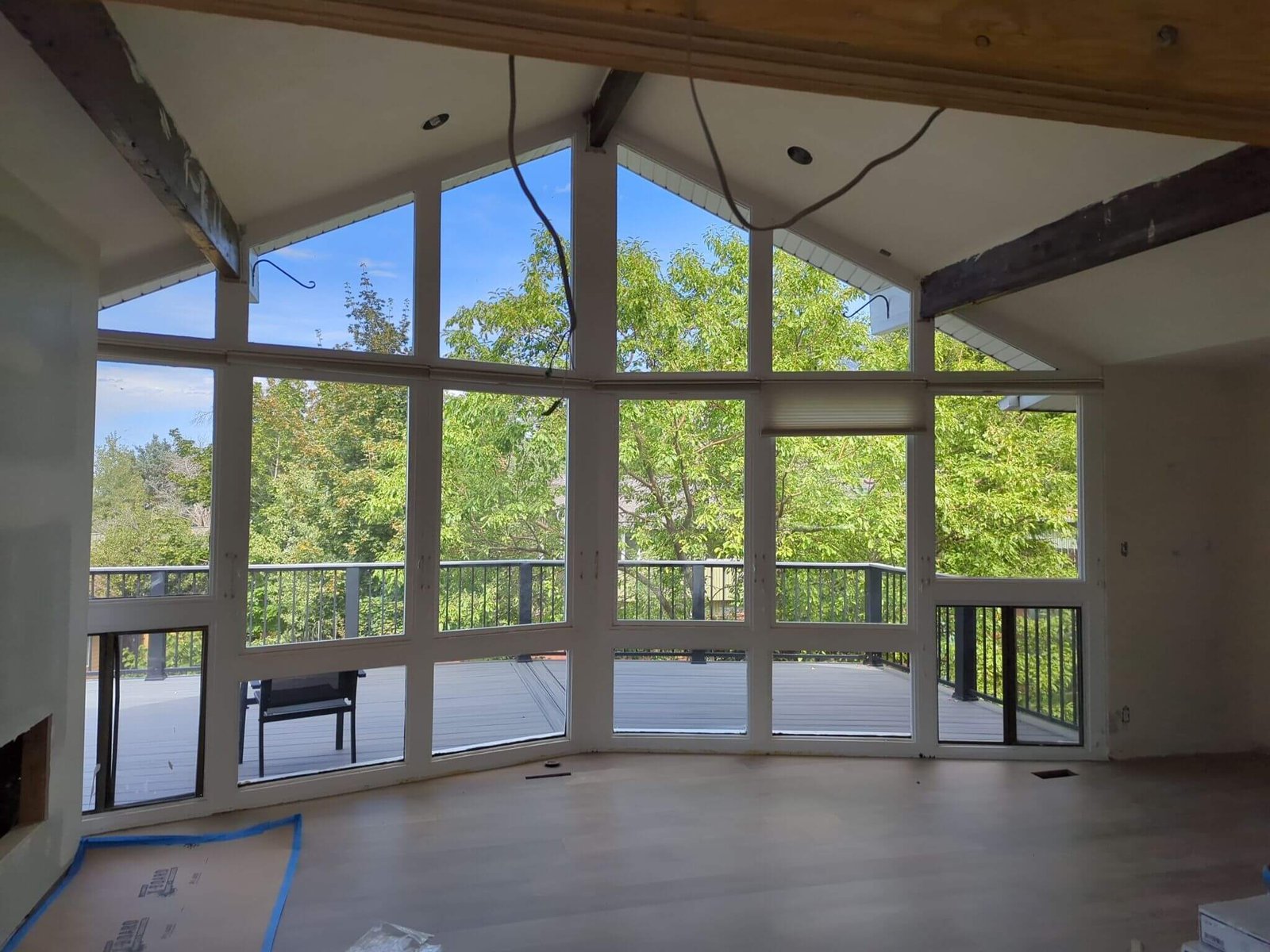
Factors Affecting the Lifespan of Your Windows
Before shopping for new windows, it’s essential to understand the factors that affect their lifespan. Here are a few factors to keep in mind:
- Material: Wood frames are often prone to rotting compared to vinyl and fiberglass frames.
- Quality: High-quality windows, featuring durable glass and energy-efficient coatings, often have better seals, which can enhance the lifespan of your window.
- Installation: Poorly insulated windows can lead to air leaks and water damage.
- Climate: Frequent exposure to harsh snow, rain, and windstorms accelerates window aging.
- Maintenance: Regularly checking and cleaning your windows can help keep them functioning properly.
Benefits of Replacing Your Windows
-
- Decreased energy costs and lower carbon footprint
- Enhanced insulation for improved indoor comfort
- A quieter indoor environment with noise reduction
- Improved safety features
- Effortless window operation (easy to open and close)
- Clearer view of the outdoor surroundings
- Enhanced aesthetics for a modern look
- Elevated property value
How Much Do New Windows Cost?
If you need new windows, you can expect to pay between $175 and $2,300 per window for replacement. Custom and large windows may cost more.
Should I Replace Every Window at the Same Time?
Windows need to be replaced when you notice any of the ten signs above. However, that doesn’t necessarily mean every window needs to be replaced. You can replace them all if you want a uniform look or prioritize windows based on need and budget.
How Often Do Windows Need to Be Replaced?
Windows have a typical lifespan of 15-20 years. You should replace 20-year-old windows or windows with any of the above-mentioned issues.
When to Replace Windows vs. When to Repair Them
Repairs can be a cost-effective short-term solution for minor issues such as cracks or seal failures, especially for those on a tight budget. However, if windows have extensive damage or are reaching the end of their lifespan, replacement can be a more sensible long-term investment. You should consider replacing your windows if:
- Your windows are over 20 years old.
- You want to enhance your home’s resale value.
- You want to save money on energy bills with energy-efficient windows.
- You want to improve the look of your home.
What Time of the Year Is the Cheapest to Replace Windows?
Late fall or early winter is typically the least busy time for window replacement, making it the most cost-effective time of year to replace your windows.
Do You Need New Windows?
If any of the above signs sound familiar and you need new windows for your home, trust the professionals at M&M Gutters! We have years of experience delivering exceptional window replacement services. Contact us today to schedule a consultation.
Our Related Blogs
Learn more about windows and other home issues by visiting the blogs below!