

Why Fiberglass Windows Are Worth a Second Look
Fiberglass windows are window frames made from glass fibers and resin, engineered to be stronger, more stable, and longer-lasting than vinyl or wood alternatives.
Quick answer – what makes fiberglass windows stand out:
- Strength: Up to 7x stiffer than vinyl
- Stability: Minimal expansion and contraction in extreme heat or cold
- Durability: Resists warping, rotting, and corrosion
- Energy efficiency: Tight seals and low thermal conductivity keep your home comfortable year-round
- Low maintenance: Factory finishes that don’t peel, chalk, or fade
- Cost: Higher upfront than vinyl, but lower long-term maintenance and energy costs
That said, there’s a lot of noise out there. Some manufacturers compare their fiberglass to bargain-bin vinyl and call it a win. Others claim vinyl has caught up entirely. The truth, as usual, sits somewhere in the middle — and the details matter a lot when you’re making a decision that will affect your home for decades.
I’m Nathan Nuttall from M&M Gutters & Exteriors, and after more than 30 years helping Utah homeowners with exterior improvements — including fiberglass windows — I’ve seen what holds up and what doesn’t in our harsh climate. Let’s cut through the marketing and give you a clear, honest picture.
The Engineering Behind Fiberglass Windows
To understand why fiberglass windows are often called the “gold standard” of modern fenestration, we have to look at how they are built. Unlike vinyl windows, which are essentially plastic, or wood windows, which are organic and prone to decay, fiberglass is a high-performance composite.
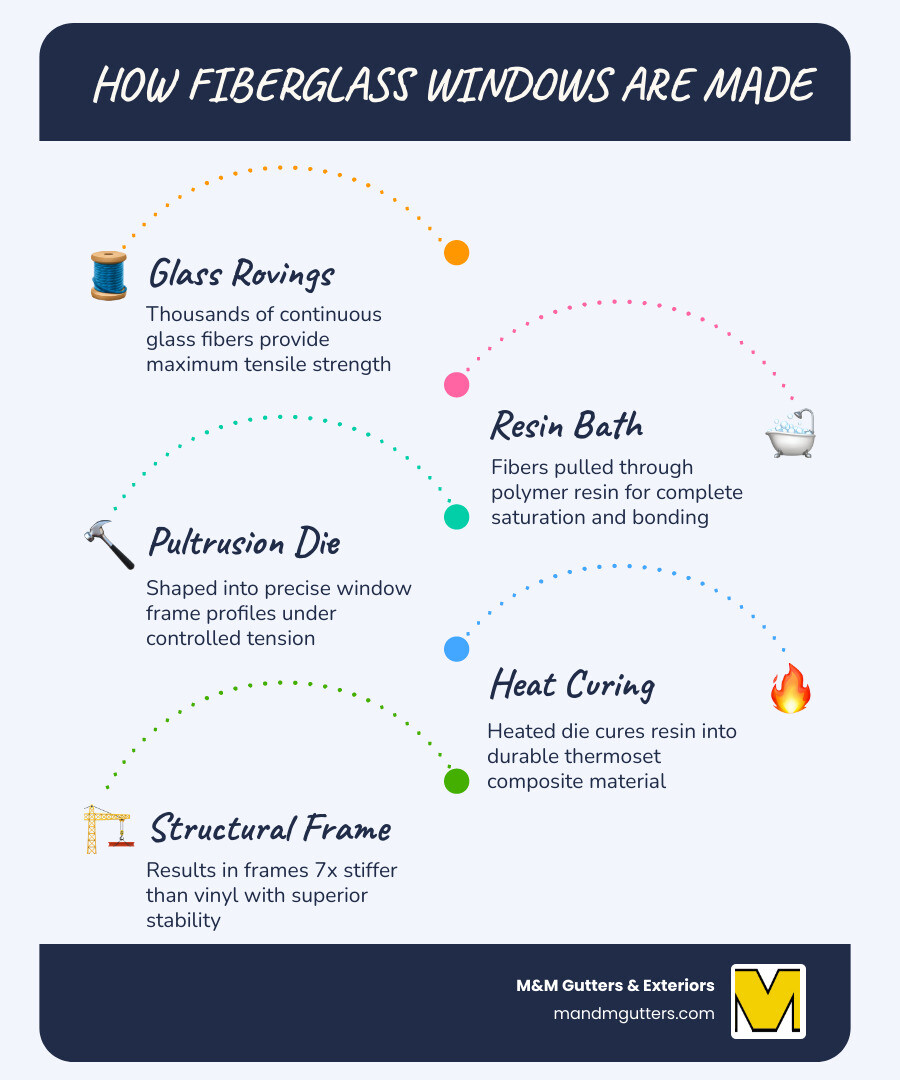
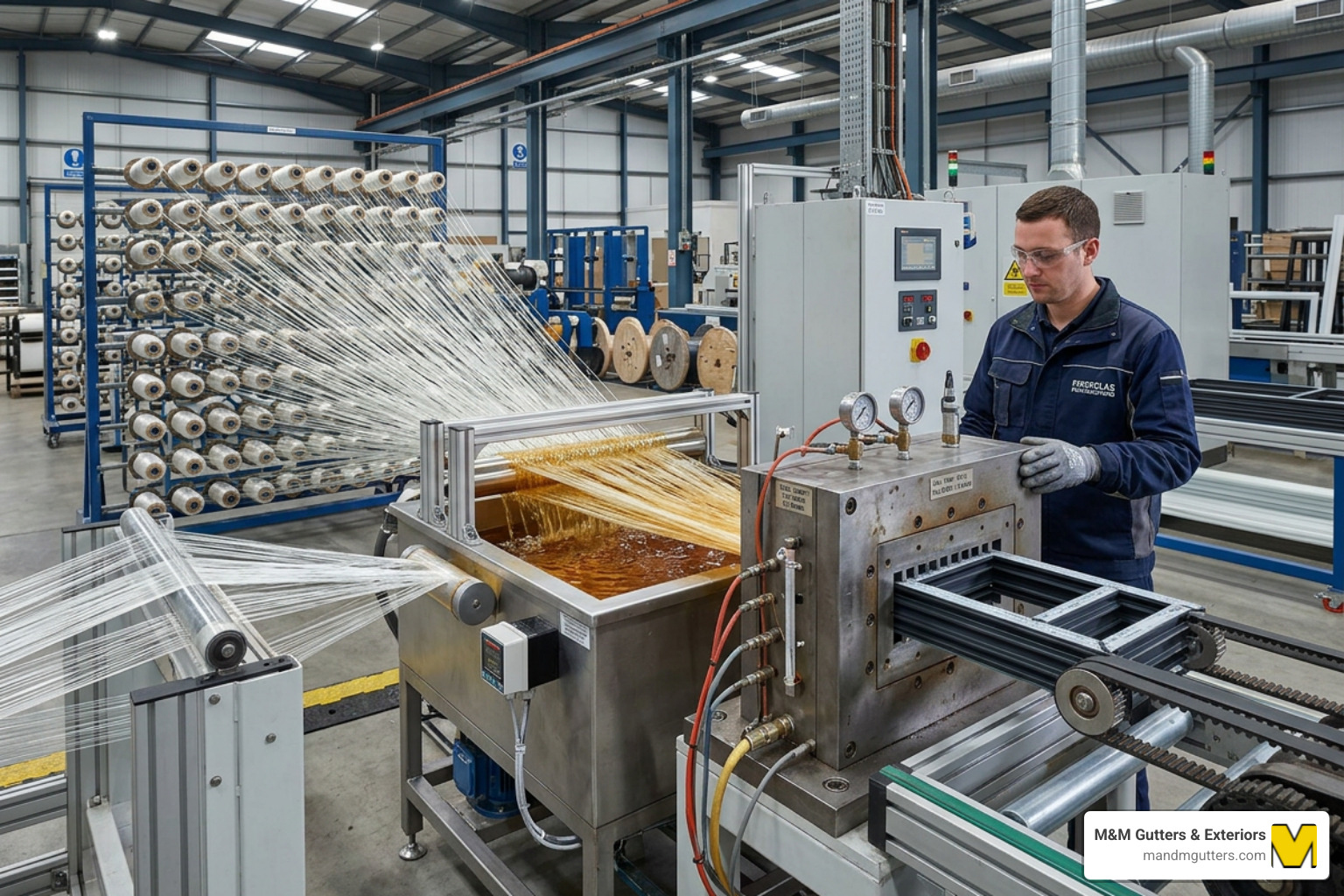
The magic happens through a process called pultrusion. Imagine a machine pulling thousands of strong glass fibers through a bath of liquid polymer resin. These saturated fibers are then pulled through a heated die, which shapes them into the window frame profile and cures the resin.
This creates a thermoset material. Unlike “thermoplastic” (like vinyl), which can be re-melted or softened by heat, a thermoset material is chemically “locked” once it’s cured. It won’t melt, sag, or lose its shape, even when the Utah sun is beating down on a 100-degree July afternoon. This engineering results in High Performance Fiberglass Windows | SILEX that offer incredible tensile strength and weather resistance.
Composition and Manufacturing
The secret sauce in these windows is the ratio of glass to resin. High-quality fiberglass windows use a high concentration of glass rovings (long bundles of glass fibers) and structured mats. This composition gives the frame its structural integrity.
Because the frames are made of the same basic material as the glass panes they hold (silica sand), the frame and the glass expand and contract at nearly the exact same rate. This is a massive advantage for chemical and heat resistance. While other materials might pull away from the glass in extreme cold, fiberglass stays put, protecting the seal and preventing drafts.
Fiberglass vs. Vinyl and Wood: A Performance Comparison
When we sit down with homeowners in Salt Lake City or Summit County, the question is always: “Is it really worth the extra money?” To answer that, we have to look at how these materials behave over time.
| Feature | Fiberglass | Vinyl | Wood |
|---|---|---|---|
| Strength | Extremely High (7x stiffer than vinyl) | Moderate | High |
| Maintenance | Virtually None | Low | High (Painting/Staining) |
| Lifespan | 30-50 Years | 15-30 Years | 30+ Years (if maintained) |
| Expansion Rate | Very Low (Matches Glass) | High | Moderate |
| Resistance | Rot, Warp, & Corrosion Proof | Can Warp in High Heat | Prone to Rot & Pests |
Vinyl is a popular choice because it is affordable, but it has a high expansion and contraction rate. In the Wasatch Front, where we see temperatures swing from sub-zero winters to scorching summers, vinyl moves a lot. This movement can lead to 11 Signs You Need New Windows for Your Home, such as seal failure or difficulty opening the sash.
Fiberglass windows, on the other hand, are roughly 7x stiffer than vinyl and 4x stiffer than wood/vinyl composites. This rigidity allows for thinner frames and more glass, giving you a sleek, modern look without sacrificing strength.
Long-Term Value of Fiberglass Windows
While the upfront cost of fiberglass is higher than vinyl, it is often the Best Windows for Your Utah Home because of the long-term ROI. Because they are virtually maintenance-free and last significantly longer than vinyl, you aren’t looking at another replacement project in 15 years.
Furthermore, the durability of fiberglass helps maintain your home’s resale value. Potential buyers love hearing that the windows are high-end, energy-efficient composites that won’t require sanding, painting, or worrying about rot.
Design and Energy Performance
In Utah, energy efficiency isn’t just a “nice to have”—it’s a survival tool for your utility bill. Fiberglass windows excel here because the material itself is a natural insulator. Unlike aluminum, which conducts heat and cold, fiberglass has very low thermal conductivity.
When you combine a fiberglass frame with high-performance glass, you get a window with exceptional U-values (which measure heat loss) and Solar Heat Gain Coefficient (SHGC) ratings. These windows also boast superior condensation resistance, which is vital for preventing mold and protecting your interior sills during our snowy winters.
Using sustainable materials like fiberglass can even help projects qualify for [LEED certification and sustainable building](https://support.usgbc.org/hc/en-us/articles/4404406912403-What-is-LEED-certification-#:~:text=LEED%20(Leadership%20in%20Energy%20and,and%20cost%2Dsaving%20green%20buildings.), which recognizes cost-saving green buildings.
Energy Efficiency of Fiberglass Windows
Most high-end fiberglass frames are tested to withstand temperatures ranging from -40°F to 180°F. Because the frame doesn’t “wiggle” or warp as the temperature changes, the airtight seals remain intact. This prevents air infiltration—the “drafty window” syndrome that forces your furnace to work overtime. This thermal stability makes them the perfect choice for the diverse climates found in Tooele, Davis, and Weber Counties.
Aesthetics and Customization Options
One of the biggest complaints about vinyl is that the frames can look “chunky” or “plastic-y.” Because fiberglass is so strong, it doesn’t need as much bulk to support the weight of the glass. This allows for slim profiles and more daylight.
You can find fiberglass windows in almost any style, including casement, awning, double-hung, and even large picture windows. For more on how to choose, check out our guide on Different Window Styles for Your Home.
The finishes on fiberglass are typically powder-coated at the factory. This creates a durable, acrylic-based finish that is verified for color uniformity and gloss. Unlike wood, which needs a fresh coat of paint every few years, fiberglass finishes are designed to resist peeling and chalking for decades.
Frequently Asked Questions
How do fiberglass windows handle extreme temperatures?
As mentioned, fiberglass is incredibly stable. In Utah’s climate, where we might see a 40-degree temperature drop in a single day, materials that expand and contract at different rates than glass are prone to seal failure. Because fiberglass moves at the same rate as the glass it holds, the seals stay tight, and the window remains easy to operate regardless of the weather.
Are fiberglass windows more expensive than vinyl?
Yes, the upfront cost is higher—often 20% to 30% more than premium vinyl. However, when you factor in the energy savings, the lack of maintenance costs, and the fact that they can last twice as long as a standard vinyl window, the “cost per year” is often lower. It’s an investment in your home’s infrastructure rather than a quick fix.
Can fiberglass window frames be painted?
One of the unique advantages of fiberglass over vinyl is that many fiberglass frames are paintable. While the factory powder-coat finishes are incredibly durable, if you decide to change your home’s color scheme ten years from now, you can actually paint fiberglass. Vinyl, conversely, generally cannot be painted because the paint won’t bond well to the plastic and can cause the frame to absorb too much heat and warp.
Conclusion
When it comes to protecting your home along the Wasatch Front, fiberglass windows offer a level of durability and performance that is hard to beat. They shatter the myths of window durability by proving that you don’t have to choose between the beauty of wood and the low maintenance of vinyl—you can have both.
At M&M Gutters & Exteriors, we’ve spent over 30 years serving Salt Lake City and the surrounding counties. We understand that every home is unique, which is why we offer 3D visualization using HOVER to help you see exactly how your new windows will look before we ever pull a permit. Whether you are in Northern Utah or down in Utah County, we are your one-stop solution for exterior remodeling.
Ready to see the difference for yourself? More info about window replacement services is just a click away. Let us help you find the perfect windows to keep your home comfortable, beautiful, and efficient for a lifetime.