

Why Understanding 30 ASTM D226 Matters for Your Roofing Project
30 ASTM D226 refers to Type II asphalt-saturated organic felt underlayment, a heavier roofing underlayment that serves as a critical secondary water barrier beneath your primary roofing materials.
Quick Answer: What You Need to Know About 30 ASTM D226
- Type: ASTM D226 Type II asphalt-saturated organic felt
- Weight: 52-56 lbs per roll
- Coverage: 216 square feet per roll (36″ x 72′)
- Primary Use: Underlayment beneath asphalt shingles, metal, and tile roofs
- Key Benefit: Heavier and more durable than Type I (#15 felt)
- Certifications: Florida Building Code approved, Miami-Dade approved, UL specifications met
- Composition: Organic felt saturated with asphalt, often made from 100% post-consumer recycled material
- Exposure Limits: 60 days (single-ply), 6 months (two-ply)
When planning a roofing project, the underlayment choice is critical. It directly impacts your roof’s longevity and protection against Utah’s harsh weather.
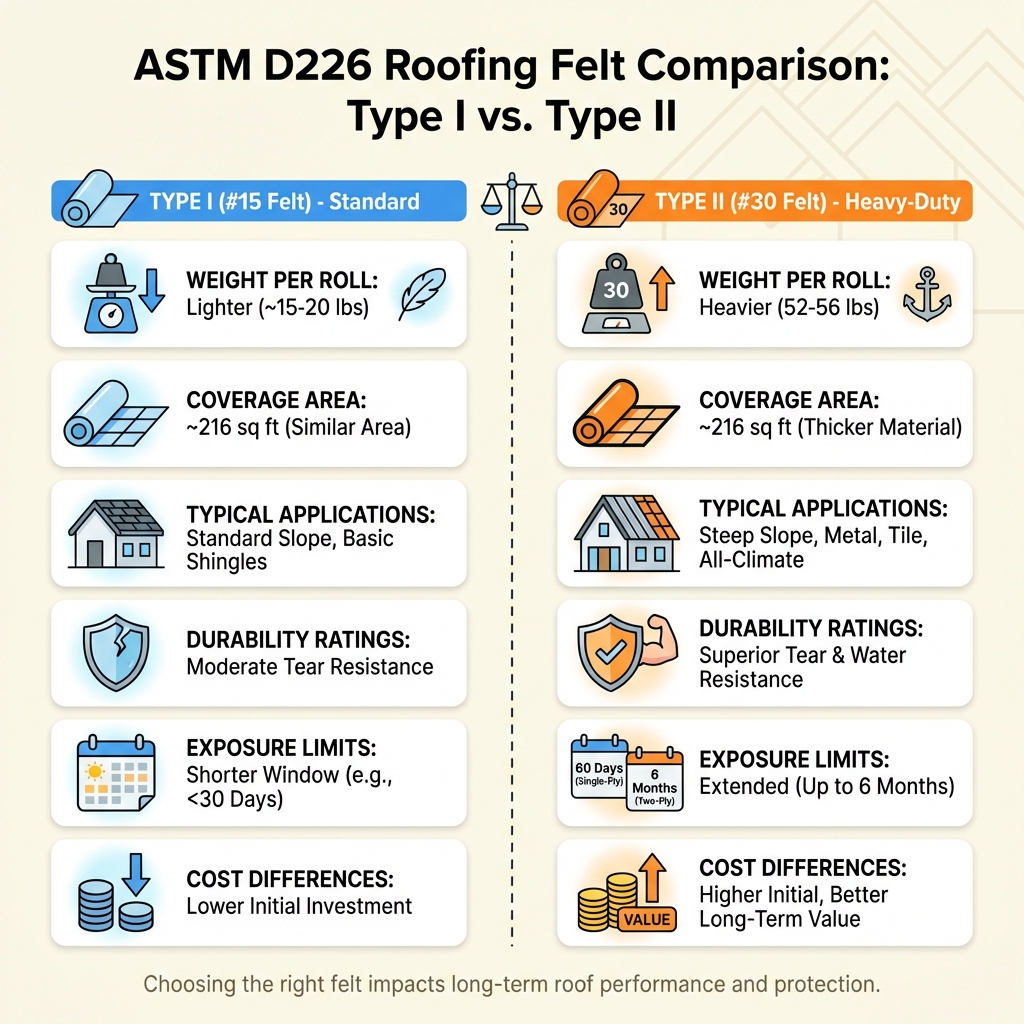
The difference between Type I and Type II felt matters. Type I (#15 felt) is lighter for standard jobs, while Type II (#30 felt) is heavier and more durable, ideal for steep-slope roofs and all-climate performance. Industry standards recognize 30 ASTM D226 Type II for its superior tear resistance and water protection in demanding applications.
This heavier felt is a breathable secondary barrier applied over the roof deck. It protects against moisture, prevents dry rot and mold, and validates most roofing warranties.
I’m Nathan Nuttall at M&M Gutters & Exteriors. With over 30 years of experience serving Utah homeowners, I’ve seen quality underlayment like 30 ASTM D226 Type II prevent premature roof failure. Understanding these felt types helps you make an informed decision to protect your home investment.
Understanding the Role of Roofing Felt
Think of your roof in layers. While shingles are the visible first defense against weather, roofing felt is the crucial backup layer beneath them.
At M&M Gutters & Exteriors, we explain to our Salt Lake City clients that roofing felt, or underlayment, is a secondary water barrier. It protects your roof deck from moisture that gets past shingles, which is critical in Utah’s climate of heavy snow and intense storms. This layer prevents water from reaching the wooden deck and your home’s interior. Learn more in our guide on What is Roofing Felt.
Asphalt-saturated felt is a traditional, effective underlayment. It’s an organic felt material infused with asphalt to make it water-resistant and durable.
The quality of these materials is ensured by organizations like ASTM International. ASTM, formerly the American Society for Testing and Materials, sets technical standards for a wide range of products. For roofing felt, their standards provide a benchmark for manufacturers and a performance guarantee for consumers.
What is the ASTM D226 Standard?
When we talk about 30 ASTM D226, we’re referring to a specific standard from ASTM International, a global organization that sets benchmarks for product quality, safety, and performance. For roofing, these standards are vital for ensuring reliability and consistency.
The ASTM D226 standard, titled “Standard Specification for Asphalt-Saturated Organic Felt Used in Roofing and Waterproofing,” defines the requirements for this type of underlayment. You can find the full details in the Standard Specification for Asphalt-Saturated Organic Felt.
This underlayment is made from organic felt, often using 100% post-consumer recycled material. This makes 30 ASTM D226 an eco-friendly choice for Utah homeowners seeking sustainable options.
The organic felt is then saturated with asphalt, changing it into a flexible, water-resistant barrier. This process is crucial for creating the secondary weather protection needed in Utah’s climate, from Salt Lake County to Summit County.
Type I vs. Type II Felt
The ASTM D226 standard has two main classifications, often known by their traditional “pound” weights:
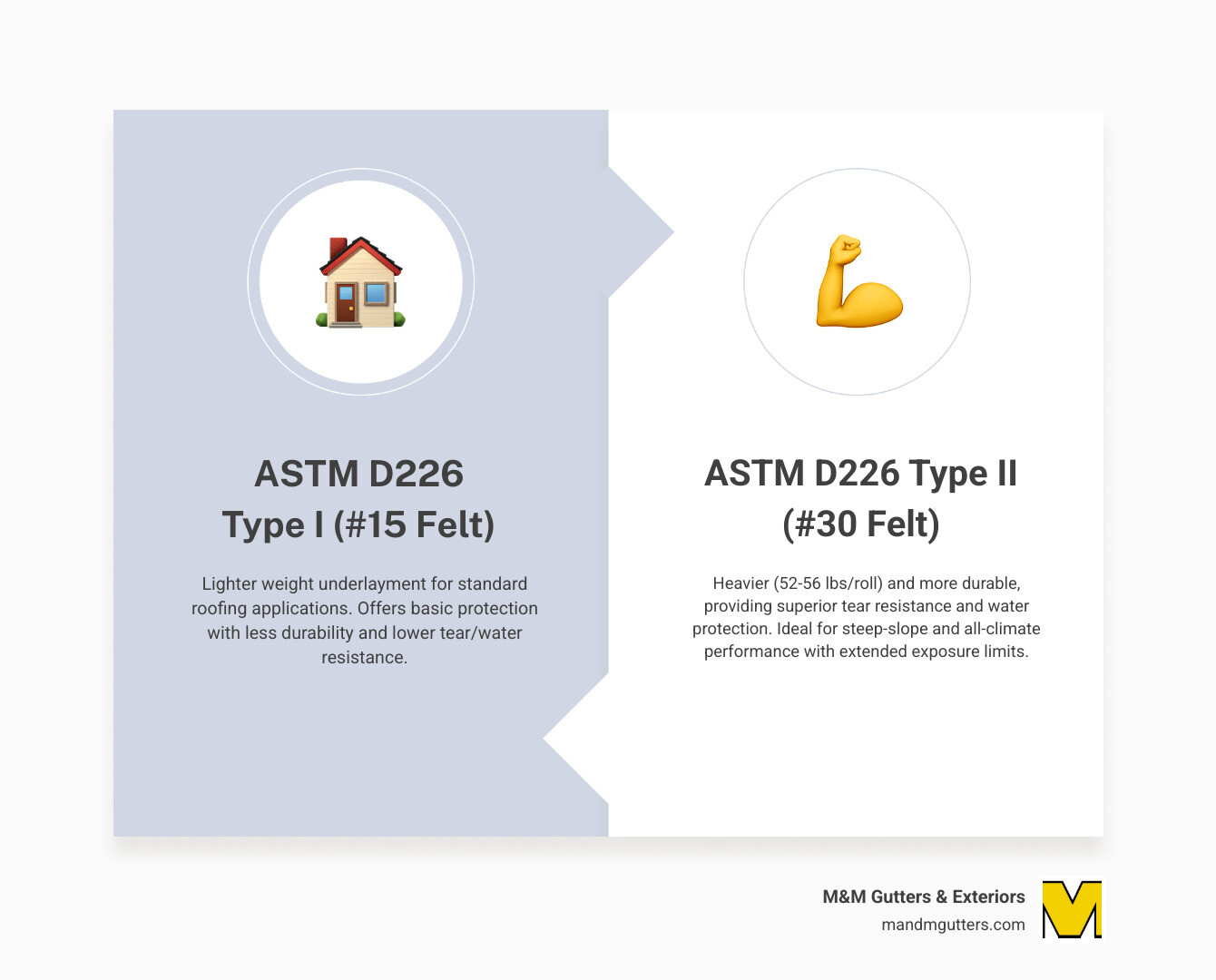
- Type I Felt (often called #15 felt): The lighter option, traditionally weighing about 15 pounds per square (100 sq ft). It’s flexible and suitable for standard roofing applications needing a basic secondary barrier.
- Type II Felt (often called #30 felt): This is 30 ASTM D226. It’s significantly heavier (about 30 pounds per square), offering increased durability and tear resistance. We recommend it for demanding applications like steep-slope roofs and in harsh weather areas across Northern Utah. Its robust composition provides a superior barrier against moisture and wear.
A Closer Look at 30 ASTM D226 Type II Felt
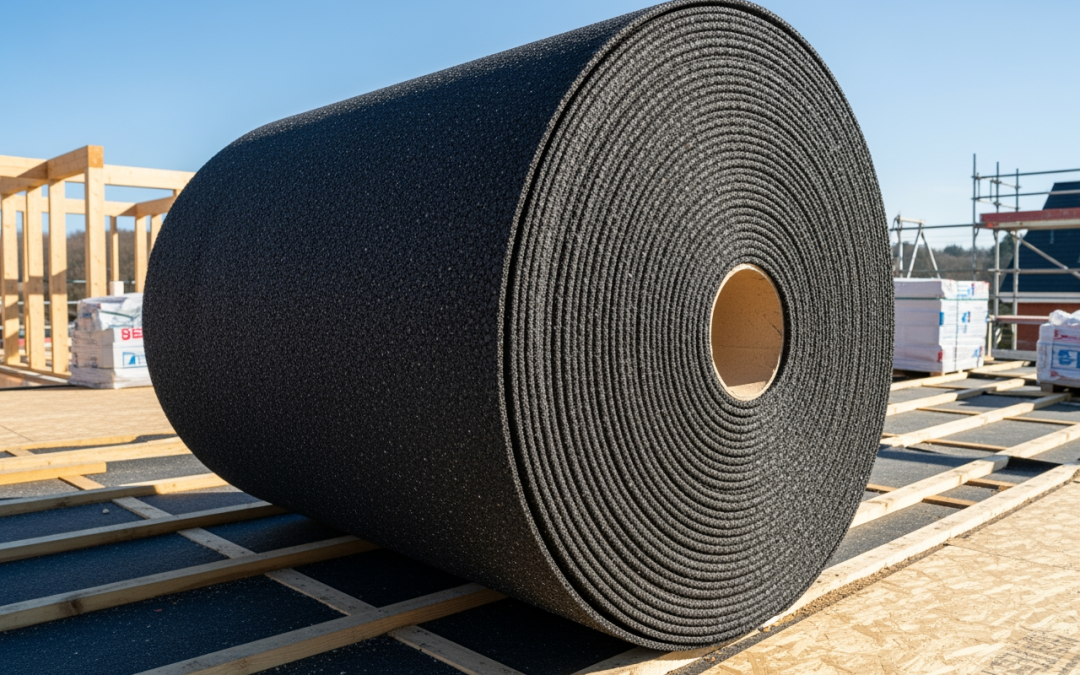
30 ASTM D226 Type II felt is a robust barrier built for serious, long-term protection. Its substantial nature hints at the durability it provides.
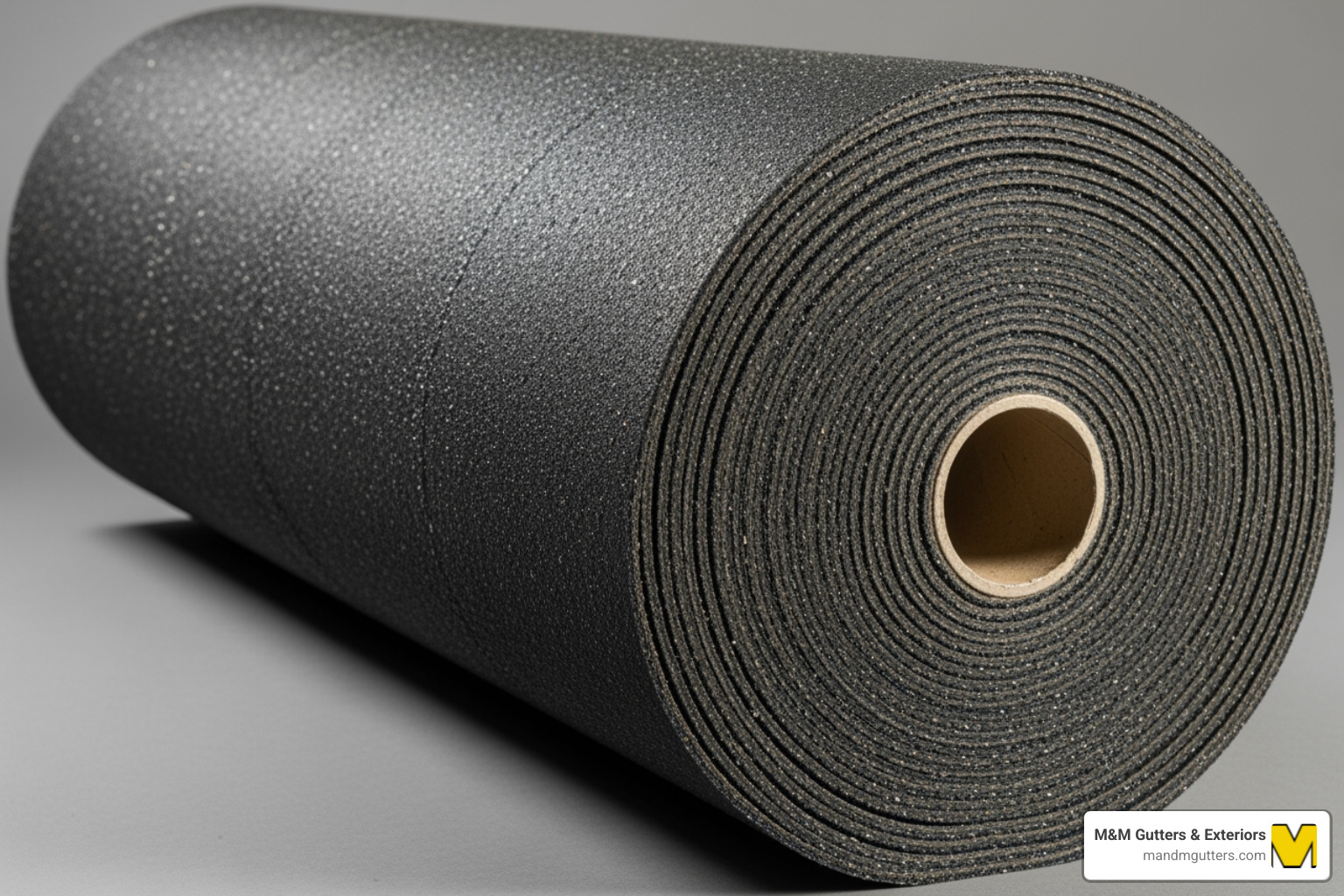
It’s a versatile underlayment for asphalt shingles, metal, and tile roofs, making it a professional go-to. Manufactured for all-climate performance, it reliably handles everything from Salt Lake City’s summer sun to Summit County’s heavy snow. Its core function is to act as a secondary weather-resistant barrier, catching any moisture that gets past the primary roofing and protecting the roof deck.
Key Specifications of 30 ASTM D226 Felt
Understanding the specifications of 30 ASTM D226 felt highlights its robust design. These numbers directly relate to its performance and your roof’s integrity.
- Weight per Roll: Typically 52 to 56 pounds, indicating its density and durability. This heft is what gives it the “30 lb” designation per square (100 sq ft).
- Roll Dimensions: A standard roll is 36 inches wide and about 72 feet long, designed for efficient installation and proper overlap.
- Coverage Area: One roll covers approximately 216 square feet. Professionals factor in overlap when calculating the total material needed.
- Material Composition: Manufactured from superior quality organic felt, often made from 100% post-consumer recycled material, making it a sustainable choice.
- Asphalt Saturation Level: The felt is thoroughly saturated with asphalt, creating a dense, water-resistant barrier.
- Walkable Non-Skid Surface: The felt’s natural non-skid surface improves safety for roofing crews during installation, especially on the steep-slope roofs common in Utah.
Benefits of Using 30 ASTM D226 Underlayment
Choosing 30 ASTM D226 Type II felt for your Utah roofing project offers significant advantages for your roof’s longevity and performance.
- Improved Durability: Its heavier construction withstands the stress of installation and exposure, leading to a more resilient roof.
- Superior Water Resistance: The asphalt saturation creates a critical secondary barrier against water from wind-driven rain or ice dams.
- Improved Tear Resistance: It’s less likely to rip or puncture during installation, ensuring a continuous, effective barrier.
- Validates Roofing System Warranties: Using a compliant underlayment like 30 ASTM D226 is often required by manufacturers to keep your shingle or metal roof warranty valid.
- Breathability (Permeability): Organic felt is breathable, allowing moisture vapor from the attic to escape. This prevents condensation, mold, and rot within the roof structure.
- Prevents Dry Rot and Mold: By managing moisture from both outside and inside, it helps keep the roof deck dry and structurally sound.
- Cost-Effectiveness: While the upfront cost is slightly higher than Type I, its superior durability and protection make it a smarter long-term investment, reducing the risk of future repairs.
How ASTM D226 Felt Compares to Other Underlayments
Roofing underlayment comes in several types. Understanding how 30 ASTM D226 Type II felt compares to Type I felt and modern synthetics is key to choosing the right option for your Salt Lake City home. Our guide to Roofing Materials and Types offers more detail.
Let’s look at a quick comparison:
| Feature | ASTM D226 Type I (#15 Felt) | ASTM D226 Type II (#30 Felt) | Synthetic Underlayment |
|---|---|---|---|
| Weight | Lighter (approx. 15 lbs/sq) | Heavier (approx. 30 lbs/sq) | Very Lightweight |
| Durability | Good | Excellent | Superior |
| Water Resistance | Good | Very Good | Excellent |
| Tear Resistance | Moderate | High | Very High |
| Permeability | Breathable | Breathable | Often breathable (varies) |
| Walkability | Moderate | Good (natural non-skid) | Excellent (non-skid coatings) |
| Exposure Limit | Shorter (days) | Longer (60 days/6 months) | Very Long (up to 6-12 months) |
| Cost | Lower | Moderate | Higher |
Traditional vs. Modern Materials:
Asphalt-saturated felts (Type I and II) are the traditional, proven choice. Type I is economical for standard jobs, while 30 ASTM D226 Type II offers better durability for severe weather or steep pitches.
Synthetic underlayments are a modern alternative. They are lightweight, extremely tear-resistant, and can be exposed to weather longer. While they offer superior water resistance and safety features, they typically come at a higher cost.
Choosing the Right Underlayment for Your Project:
The best choice depends on your project, budget, and primary roofing material.
- Type I Felt: A good, low-cost option for standard shingle roofs on moderate slopes.
- 30 ASTM D226 Type II Felt: An excellent balance of performance and value for steep-slope roofs, metal or tile roofs, and homes in the varied climates across Salt Lake, Utah, Davis, and Weber Counties.
- Synthetic Underlayment: The preferred choice for premium systems needing maximum tear resistance or long-term exposure before the final roof is installed.
When considering options like a Metal Roof vs Shingles, the underlayment choice is also a key factor. Our team at M&M Gutters & Exteriors can help you select the optimal underlayment for Utah’s unique environment.
Installation Best Practices and Code Compliance
Proper installation is essential for 30 ASTM D226 Type II felt to perform correctly. At M&M Gutters & Exteriors, we follow strict guidelines for every Salt Lake City home. Roof deck preparation is the first step: the deck must be clean, dry, and smooth, with any damage repaired.
Proper lapping is key to creating a water-shedding barrier. This involves overlapping the felt rolls correctly:
- Headlap (vertical overlap): At least 2 inches for slopes 4:12 or greater; 4 inches for lower slopes.
- Sidelap (horizontal overlap): At least 2 inches.
Fastening is critical to prevent blow-offs in Northern Utah’s winds. We use plastic cap nails, which have a wide cap that seals the nail hole and improves the system’s water resistance.
Sealing around penetrations like vents and chimneys is paramount. The underlayment must be carefully cut and sealed with flashing to maintain the moisture barrier. This diligence helps Prevent Roof Damage During Utah Winters.
Certifications and Building Codes
Adhering to building codes is non-negotiable for a safe, compliant roof.
- Code Approvals: Many 30 ASTM D226 products meet stringent standards like the Florida Building Code, Miami-Dade County approval, and UL specifications. This demonstrates high quality and resilience, reassuring for Utah’s challenging climate.
- Local Code Verification: For homeowners in Salt Lake, Utah, Summit, Tooele, Davis, and Weber counties, verifying local code is essential. M&M Gutters & Exteriors is well-versed in Utah’s local codes and ensures every project is compliant.
- Warranty Compliance: Manufacturers require proper, code-compliant installation of an approved underlayment to validate the primary roofing warranty. Using 30 ASTM D226 Type II felt correctly protects your long-term investment.
Frequently Asked Questions about ASTM D226 Felt
We often get excellent questions from homeowners in Utah about various roofing materials. Here are some of the most common inquiries regarding 30 ASTM D226 Type II felt:
Is #30 felt environmentally friendly?
Yes, 30 ASTM D226 felt can be an environmentally conscious choice. Many manufacturers produce the organic felt from 100% post-consumer recycled material, reducing landfill waste. Some also use domestic asphalt from local sources, which lowers transportation emissions. Using these materials can even contribute to LEED points for green building certification, making it a sustainable option for your Utah home.
Where can I buy #30 felt and what does it cost?
30 ASTM D226 Type II felt is widely available at building suppliers, lumberyards, and retailers like True Value. You might find brands like Tarco’s Asphalt Roofing Felt Type II, ASTM D-226 Gold Lined, 30 Lb., readily available.
Pricing varies based on brand, quantity, supplier, and market conditions. Buying in bulk typically lowers the per-roll cost. For homeowners in the Salt Lake City area, M&M Gutters & Exteriors sources materials directly from suppliers, often at better rates. We include the cost of high-quality underlayment in our project quotes. Understanding The Cost of a Roof Replacement Roof Care in Utah can provide a helpful overview. While DIY purchase is possible, professional installation is paramount for performance.
How long can #30 felt be exposed to weather?
While durable, 30 ASTM D226 felt is not a permanent roof surface and has exposure limits:
- Single-ply applications: Approximately 60 days.
- Two-ply applications: Up to 6 months.
It is critical to cover the underlayment with the primary roofing material within these timeframes. Prolonged exposure can lead to UV degradation, water absorption, and physical damage from wind or foot traffic. At M&M Gutters & Exteriors, we prioritize timely installation to ensure the underlayment performs as a robust secondary barrier for the life of your roof.
Making the Right Choice for Your Utah Roof
Understanding underlayment like 30 ASTM D226 is key to making an informed roofing decision. We’ve seen how Type I felt offers a standard solution, while 30 ASTM D226 Type II steps up with improved durability, tear resistance, and overall protection, making it a stellar choice for Utah’s diverse climate.
Quality underlayment is a critical secondary defense against moisture and is vital for validating your roof’s warranty. Skimping on this foundational layer risks the longevity of your entire roof.
Choosing the right underlayment is about protecting your investment. Your roof is one of the most crucial components of your home. By selecting a high-quality product like 30 ASTM D226 Type II felt and ensuring professional installation, you are investing in peace of mind and the long-term health of your home.
For expert advice on materials for your Salt Lake City home’s exterior, trusted installation, and a partner who understands Utah’s unique climate challenges, turn to the experienced team at M&M Gutters & Exteriors. We’re here to help you make choices that ensure your roof performs flawlessly for decades. Explore our professional roofing services today and let us help you build a resilient, beautiful roof that lasts.