


Why Stained Glass Windows Transform Your Home
Stained glass windows are colored glass panels assembled into decorative designs that transform natural light into vibrant art. Here’s what you need to know before buying:
- Primary uses: Entryway doors, transom windows, interior room dividers, kitchen cabinets, and suncatchers
- Price range: $500 to $10,000+ depending on size, complexity, and whether handcrafted or mass-produced
- Popular styles: Tiffany (nature motifs), Victorian (geometric patterns), Modern (clean lines and color blocking)
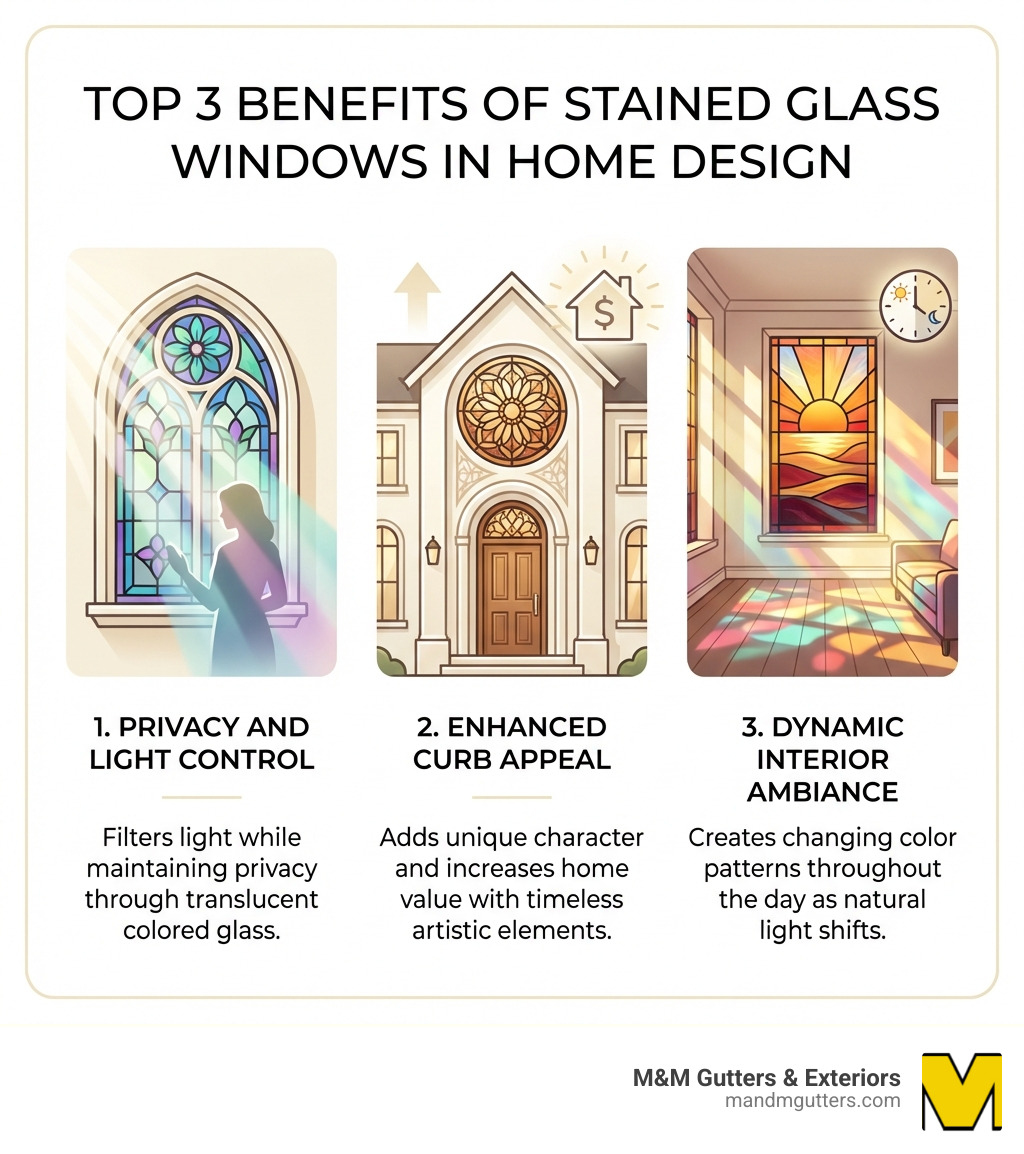
- Key benefits: Improved privacy, beautiful light diffusion, increased curb appeal, and timeless aesthetic appeal
- Materials: Cathedral glass, opalescent glass, textured glass, assembled with lead came or copper foil
Growing up, I remember sitting in church balconies watching sunlight pour through towering stained glass windows, creating pools of color on the floor below. That same magic is now finding its way into modern homes across Salt Lake City and beyond.
The stained glass market is experiencing significant growth, valued at $1.1 billion in 2022 and projected to reach $1.7 billion by 2030. This surge reflects homeowners’ desire for unique architectural elements that blend artistry with function.
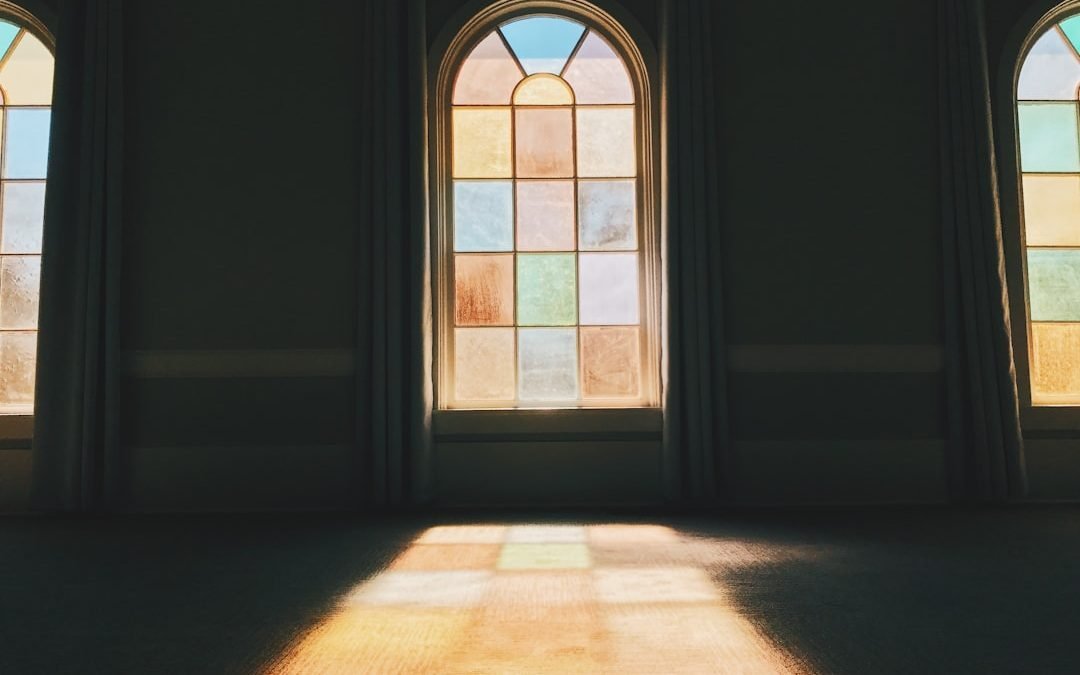
Unlike static wall art, stained glass is a living piece that changes throughout the day as sunlight shifts. Morning light might cast soft blues across your entryway, while afternoon sun creates warm amber glows. This dynamic quality, combined with the ability to provide privacy while still allowing natural light, makes stained glass an increasingly popular choice for both traditional and contemporary homes.
Whether you’re drawn to intricate Tiffany-style florals, classic Victorian geometry, or sleek modern abstracts, stained glass offers something for every architectural style and personal taste. The key is understanding what to look for, how to evaluate quality, and where to find reputable artists or sellers.
As Nathan Nuttall at M&M Gutters & Exteriors, I’ve worked with countless Utah homeowners over three decades integrating beautiful architectural elements like stained glass windows into comprehensive exterior improvement projects. My experience has taught me that choosing the right stained glass is about balancing artistic vision with practical considerations like installation, maintenance, and long-term value.
A Journey Through Time: The Rich History of Stained Glass
The story of stained glass windows is as colorful and enduring as the art form itself. Dating back to ancient times, pieces of colored glass were assembled into patterned window frames in places like ancient Rome. However, it was in the medieval period that stained glass truly flourished, becoming an integral part of Gothic cathedrals across Europe.
Imagine walking into a grand cathedral in the 12th or 13th century, where the primary source of light also served as a “visual catechism,” telling biblical stories and illuminating theological concepts for a largely illiterate population. These early windows, often of “inestimable beauty,” were not just decorative; they were monumental works of art and spiritual instruction. The Metropolitan Museum of Art provides a fantastic overview of this era in their article, Stained Glass in Medieval Europe, highlighting how these windows transformed sacred spaces.
The craft evolved through the Renaissance, with new techniques and pigments expanding the artistic possibilities. While some periods saw a decline in its prominence, the Victorian era brought a significant revival. This period, alongside the subsequent Art Nouveau movement, saw the emergence of iconic styles, notably those from Tiffany Studios. Louis Comfort Tiffany’s innovative use of opalescent and textured glass, along with the copper foil technique, created intricate, nature-inspired designs that remain incredibly popular today.
The 20th century witnessed further revivals and innovations, with contemporary artists pushing the boundaries of the medium, combining ancient traditions with modern aesthetics. Today, this rich history means we have a myriad of styles and techniques to draw from, allowing us to incorporate centuries of artistry into our homes here in Salt Lake City, Utah, and the surrounding counties.
Exploring Styles and Designs for Your Home

Choosing the right style for your stained glass windows is a delightful journey of matching your home’s architecture with your personal expression. Whether your home in Utah County is a charming Victorian, a modern minimalist, or anything in between, there’s a stained glass style that will not only complement it but lift its aesthetic.
Timeless Tiffany & Art Nouveau
When people think of stained glass, often the first image that comes to mind is the distinctive Tiffany style. Known for its intricate details, vibrant colors, and nature-inspired motifs, Tiffany-style stained glass is truly timeless. Think delicate dragonflies, lush flowers, and flowing wisteria, all brought to life with iridescent and opalescent glass. The magic here lies in the copper foil technique, which allows for much finer and more complex designs than traditional leading. This style brings a rich, artistic feel to any space, making it a popular segment in the global stained glass market. You can explore a variety of these handcrafted pieces online, like this handcrafted Tiffany style stained glass.
Classic Victorian & Geometric
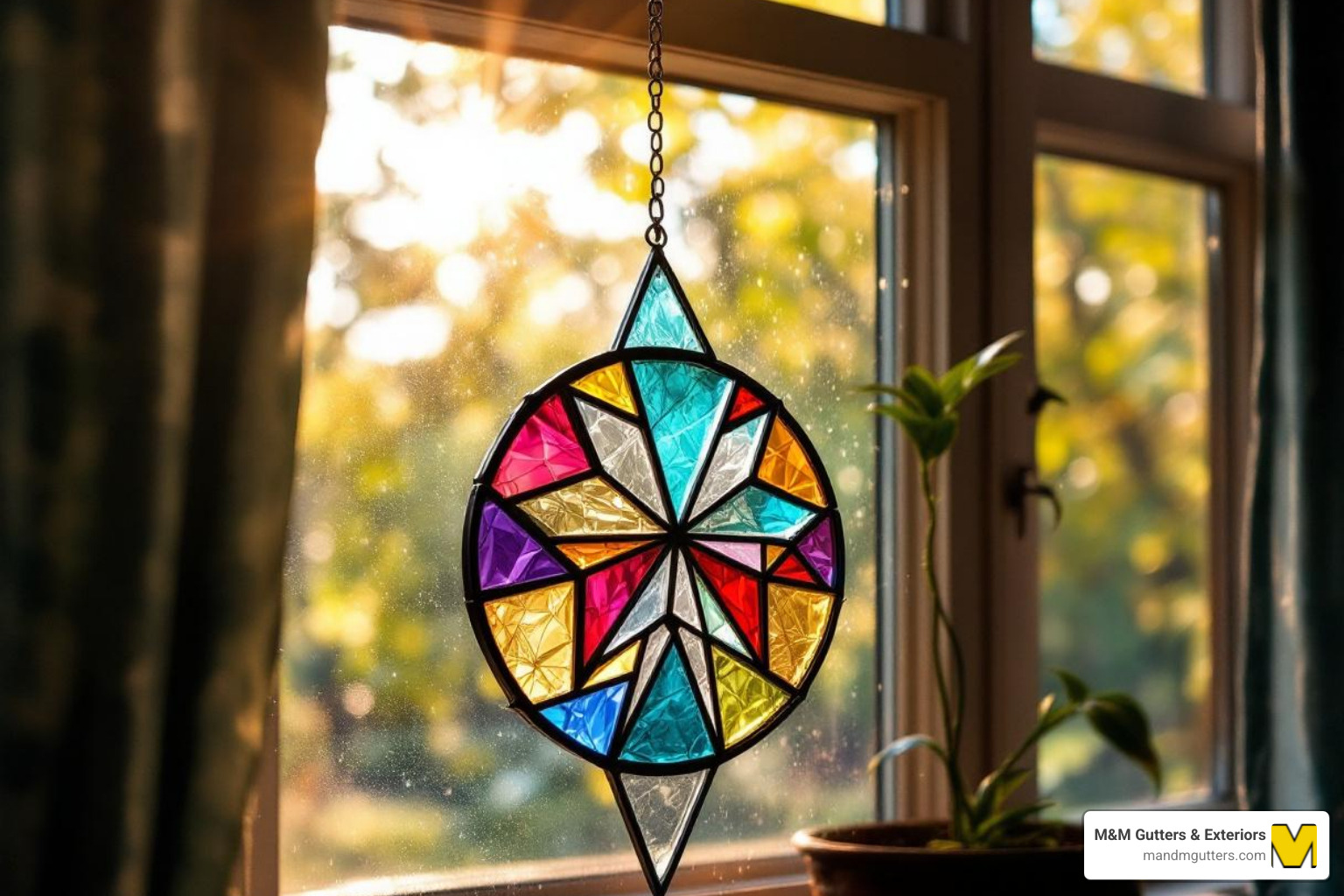
For homes with a more traditional aesthetic, Classic Victorian and Geometric stained glass windows offer elegance and structure. Characterized by symmetrical patterns, often featuring beveled glass that catches and refracts light beautifully, these pieces bring a sense of grandeur. Floral borders and rich jewel tones are common, typically constructed with sturdy leaded came. These styles are particularly stunning in entryways, transom windows above doors, or even as decorative inserts in cabinet doors in older homes across Salt Lake County. You can find many options, including those with a Geometric Design Style suncatcher.
Modern & Abstract Stained Glass Windows
For those with a contemporary sensibility, modern and abstract stained glass windows offer a fresh take on this ancient art. These designs often feature clean lines, bold color blocking, and a minimalist aesthetic that integrates seamlessly into modern architecture found in areas like Summit County. Custom contemporary designs can incorporate fused glass elements, creating unique textures and depths. The beauty of modern stained glass is its versatility; it can be as subtle or as assertive as you desire, adding a sophisticated touch without overwhelming the space.
Your Complete Buyer’s Guide to Stained Glass Windows
Investing in stained glass windows for your home is a decision that brings enduring beauty and character. To ensure you make an informed purchase, understand the factors that influence value, where to find quality pieces, and the materials involved.
Factors Influencing Price and Value
The price and value of stained glass windows can vary significantly, ranging from approximately $500 to $10,000 or more for custom pieces. Several key elements contribute to this range:
- Size and Scale: Larger windows naturally require more material and labor, increasing the cost.
- Design Complexity: Intricate designs with many small pieces, detailed painting, or complex patterns demand more time and skill from the artisan, thus increasing the price. A simple geometric pattern will cost less than a detailed floral scene.
- Glass Type and Quality: The type of glass used plays a huge role. High-quality art glass, especially hand-blown or specialty glass (like iridescent or textured varieties), is more expensive than standard machine-rolled glass.
- Handcrafted vs. Mass-Produced: Handcrafted pieces, particularly those from a renowned artist, command a higher price due to the unique skill and artistry involved. Mass-produced items, while more affordable, may lack the nuanced beauty and character of a custom piece. The demand for artisanal products is high, with handcrafted items being frequently purchased.
- Artist Reputation and Experience: An artist with a strong portfolio and a reputation for exceptional work will typically charge more for their commissions. Their expertise often ensures a higher level of craftsmanship and design integrity.
- Condition of Antique Pieces: For antique stained glass windows, factors like age, provenance, originality, and the extent of any necessary restoration work heavily influence value.
Finding a Reputable Seller or Artist
Finding the right source for your stained glass windows is crucial. We recommend exploring local artisans and art studios in Salt Lake City, Salt Lake County, Utah County, Summit County, Tooele County, Davis County, and Weber County. Many talented craftspeople in Northern Utah specialize in custom stained glass, offering personalized designs that reflect your vision and complement your home.
When seeking a seller or artist, consider the following:
- Portfolios: Always review an artist’s portfolio to assess their style, craftsmanship, and the quality of their previous work.
- Consultations and Quotes: Don’t hesitate to request consultations and detailed quotes. A reputable artist will be transparent about their process, materials, and pricing. Custom pieces, like a transom window, can take 4-8 weeks from design to fabrication, so discuss timelines upfront.
- Online Marketplaces: For ready-made panels or DIY supplies, online marketplaces like Amazon offer a vast selection. Look for products with high ratings (4+ stars) and positive customer reviews, often highlighted as “Overall Pick.” These platforms can be a good starting point for smaller items or experimenting with the style.
- Notable Studios: While our focus is local, it’s worth appreciating the legacy of international studios like Franz Mayer of Munich, Inc. which demonstrate the pinnacle of stained glass artistry.
Essential Materials for Stained Glass Windows
The beauty and durability of stained glass windows stem from the quality of their materials:
- Types of Glass:
- Cathedral Glass: This is transparent, single-colored glass, often with a smooth or lightly textured surface, allowing light to pass through clearly while still providing color. It’s excellent for letting in light. ILLUCKAI 36 Sheets Transparent Stained Glass Sheets can be a great starting point for DIY projects.
- Opalescent Glass: This glass is semi-opaque, often streaky or swirled with multiple colors, creating a milky, glowing effect that diffuses light without being fully transparent. It provides more privacy and a softer light.
- Textured Glass: Available in countless patterns (e.g., hammered, ripple, streaky), textured glass adds visual interest and privacy by distorting the view through it.
- Metal Came: Traditionally, lead came is used to join pieces of glass. It’s a flexible, H-shaped channel that holds the glass securely. Zinc and copper came are also used, particularly for stronger panels or those requiring a different aesthetic.
- Copper Foil: This technique, popularized by Tiffany, involves wrapping each piece of glass with thin copper foil, which is then soldered together. It allows for much finer lines and more intricate designs.
- Solder: A metal alloy (typically tin and lead or lead-free alternatives) used to fuse the lead came or copper foil together, creating a strong and durable matrix for the glass.
Caring For Your Timeless Treasure
Stained glass windows are an investment in art and home value, and with proper care, they can last for generations. While they are surprisingly durable, a little attention goes a long way in preserving their beauty and longevity.
Cleaning and Maintenance
Regular, gentle cleaning is key to keeping your stained glass windows sparkling:
- Dusting Regularly: Use a soft, dry, lint-free cloth or a soft-bristled brush to gently remove dust and cobwebs.
- Mild Soap and Water Solution: For a deeper clean, mix a small amount of mild dish soap with distilled water. Dampen a soft cloth with the solution (do not spray directly onto the glass) and gently wipe the glass.
- Avoid Abrasive Cleaners: Never use harsh chemicals, ammonia-based cleaners, or abrasive materials, as these can damage the glass surface, paint, or lead came.
- Polishing Lead Came: Over time, lead came can oxidize and dull. Specialized lead polish can be used periodically, but always follow product instructions and avoid getting it on the glass.
Inspection and Repair
We recommend regular inspections to catch any potential issues early:
- Checking for Cracks: Look closely for any hairline cracks in the glass pieces. Small cracks can sometimes be repaired by a professional.
- Rattling Panes: If a piece of glass rattles when gently tapped, it might indicate that the putty has dried out or the came has separated. This is often a sign that the panel needs professional attention.
- Bowing or Sagging: Large stained glass windows can sometimes bow or sag due to gravity or structural issues. This is a serious concern that requires immediate assessment by a qualified stained glass professional.
- When to Call a Professional: For any significant damage, structural concerns, or if you’re unsure about a repair, always call a restoration expert. Attempting DIY repairs on leaded stained glass can cause further damage and devalue the piece. Many local artisans in Northern Utah specialize in restoration and preservation.
Frequently Asked Questions about Stained Glass
Can stained glass be installed in an existing window frame?
Absolutely! This is one of the most common applications for residential stained glass windows. There are a few ways we can achieve this:
- Fitted into Existing Frames: A custom-sized stained glass panel can be precisely fitted directly into your existing window opening, replacing the original glass.
- Hung in Front of Existing Windows: For a less permanent solution, a stained glass panel can be hung using hooks or chains in front of an existing clear window. This allows you to retain the original window while adding the beauty of stained glass.
- Installed as a Replacement Insulated Unit: For optimal energy efficiency and protection, a stained glass panel can be encapsulated within a double or triple-pane insulated glass unit (IGU). This protects the art glass from the elements and provides modern thermal performance, a service we often facilitate as exterior remodeling experts at M&M Gutters & Exteriors.
Is stained glass energy efficient?
Traditionally, single-pane stained glass windows are not inherently energy efficient due to the nature of their construction with many small pieces and metal came. However, modern techniques and our expertise in window installation can significantly improve their thermal performance:
- Encapsulation in IGUs: As mentioned above, encapsulating stained glass within an insulated glass unit (IGU) creates a sealed, energy-efficient window. The IGU acts as a protective barrier, reducing heat transfer and improving insulation, much like any modern double-pane window. This is an excellent solution for homes in colder climates like Northern Utah.
- Storm Windows: Adding a clear storm window on the exterior can also provide an extra layer of insulation and protection for older, non-encapsulated stained glass.
By integrating stained glass into advanced window systems, we can ensure you enjoy both its aesthetic appeal and the comfort and energy savings of modern windows.
How long do stained glass windows last?
With proper care and maintenance, leaded stained glass windows are incredibly durable and can last a very long time. It’s not uncommon for historical pieces to endure for centuries. In a residential setting, a well-made and properly maintained stained glass window can last for 75 to 100 years or more before needing significant professional restoration. Factors like exposure to extreme weather, environmental pollutants, and physical impact can affect this lifespan. Regular cleaning and timely repairs, as discussed earlier, are crucial to maximizing their longevity.
Conclusion
Stained glass windows are more than just decorative elements; they are dynamic works of art that bring light, color, and character into your home. From their rich historical significance in grand cathedrals to their modern revival in contemporary residences, these luminous panels offer unparalleled artistry and personalization.
Whether you’re drawn to the intricate beauty of Tiffany designs, the classic elegance of Victorian patterns, or the bold statements of modern abstract pieces, there’s a style to suit every taste and architectural vision. We’ve explored the materials that bring these pieces to life, the factors that influence their value, and the essential steps to care for these timeless treasures. Handcrafted items are frequently purchased, indicating a strong appreciation for artisanal quality in today’s market.
At M&M Gutters & Exteriors, we understand the profound impact that well-chosen windows and exterior elements have on your home’s aesthetic, value, and comfort. With our 30+ years of experience in exterior home remodeling across Salt Lake City, Salt Lake County, Utah County, Summit County, Tooele County, Davis County, Weber County, and Northern Utah, we’re uniquely positioned to help you integrate custom stained glass windows into your home exterior projects seamlessly. We can assist with everything from selecting the right style to ensuring professional and energy-efficient installation.
If you’re ready to transform your home with the beguiling light and dynamic beauty of stained glass, or if you have any other exterior remodeling needs, we’re here to help.
Contact us for your home exterior needs.