


Foundation damage, flooded basements, cracked driveways, icy walkways, and rotted fascia and soffit can be a rude awakening for homeowners, especially those with poor-quality rain gutters.
The good news? You can protect your home and loved ones with the right rain gutter construction. But with so many options available, how do you choose the best gutter material?
In this complete guide, we’ll share the four most common rain gutter materials along with what to look for, what to avoid, and how to install and maintain them so you can avoid the dreaded phone call with your homeowner’s insurance company.
4 Common Types of Gutters for Homeowners
Rain gutters capture water from your roof after a storm to divert the water from your home’s foundation. But what are rain gutters made of? Here are the four most common gutter types for your home: aluminum, copper, vinyl (PVC), and steel.
Aluminum Gutters
Aluminum gutters are a popular choice for Utah homeowners, and for good reason. These gutters can last up to 30 years in any climate. Aluminum gutters are durable, lightweight, and come in various colors and textures to match your home’s style.
Material Properties
-
- Lightweight
- Rust-Resistant
- Durable
Decision Matrix
-
- Durability Rating: 7/10
- Cost Rating: 4/10*
- Maintenance Level: Low
- Curb Appeal: 7/10
*The cost rating is based on affordability, with 1 = most affordable and 10 = most expensive.
Best For: Most Residential and Commercial Properties
Pros vs. Cons of Aluminum Gutters
| Pros of Aluminum Gutters | Cons of Aluminum Gutters |
| Durable | Susceptible to hail damage |
| Last up to 30 years | Erode in harsh environments |
| Rust-resistant | Easily dented by harsh debris and weather |
| Cost effective | Expand and contract with temperature changes |
| Easy to install | |
| Available in various colors and textures | |
| Leak-resistant | |
| No painting required |
Copper Gutters
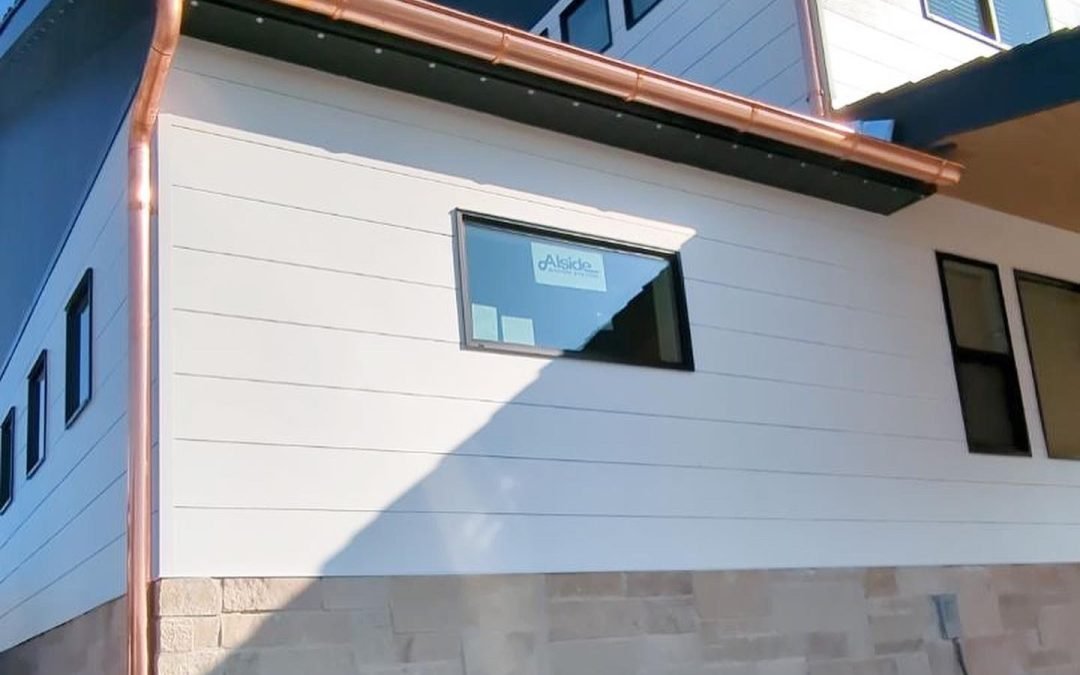
Copper gutters are the best choice if you’re looking for strong, long-lasting, and aesthetically appealing rain gutters. Copper gutters are known for their curb appeal and extreme reliability. They’re ideal for historic homes built in the 1800s to the early 1970s. Copper gutters have beautiful patinas but must be resealed often to avoid oxidation.
Material Properties
-
- Durable
- Rust-resistant
- Heavyweight
- Beautiful green patina over time
- Made of over 99% copper
- 100% recyclable
Decision Matrix
-
- Durability Rating: 10/10
- Cost Rating: 10/10
- Maintenance Level: Low
- Curb Appeal: 10/10
Best For: Historic Homes
Pros & Cons of Copper Rain Gutters
| Pros of Copper Rain Gutters | Cons of Aluminum Gutters |
| Beautiful green patina | Expensive |
| Last up to 100 years | Difficult to install |
| Stylish profile | Oxidize over time (needs to be resealed) |
| Prevent mold & mildew | |
| No rot or rust | |
| Low maintenance |
Vinyl (PVC) Gutters
Vinyl (PVC) is the most affordable and convenient rain gutter material available at most hardware stores. Even though vinyl rain gutters are a budget-friendly option, they’re prone to cracks and may need to be replaced more frequently, costing you more money in the long run.
Material Properties
-
- Lightweight
- Rust-Resistant
- Low Maintenance
Decision Matrix
-
- Durability Rating: 4/10
- Cost Rating: 2/10
- Maintenance Level: Low
- Curb Appeal: 5/10
Best For: Most Residential Applications
Pros & Cons of Vinyl (PVC) Gutters
| Pros of Vinyl (PVC) Gutters | Cons of Aluminum Gutters |
| Affordable | Lightweight |
| Various colors | Short lifespan |
| Rust-resistant | Cracking in extreme heat |
| Easy to install yourself (avoid dents with a ladder) | May leak at the joints |
| Available at most hardware stores | Less durable in heavy winds and rainfall |
| No need for professional installation |
Steel Gutters
Steel gutters are a great choice if you’re looking for heavy-duty rain gutter materials that can withstand harsh weather conditions while offering maximum curb appeal. With steel gutters, you have two options: galvanized steel and stainless steel.
Galvanized steel is coated with zinc to prevent rusting, whereas stainless steel is already rust-resistant.
Material Properties
-
- Steel Alloy with 10.5% Chromium
- Heavy
- Rust-Resistant
- Weather-Resilient
Decision Matrix
-
- Durability Rating: 8/10
- Cost Rating: 6/10
- Maintenance Level: Medium
- Curb Appeal: 7/10
Best For: Areas With Severe Weather
Pros & Cons of Steel Gutters
| Pros of Steel Gutters | Cons of Aluminum Gutters |
| Strong material | Heavy and difficult to install |
| Rust-resistant | Ongoing care and maintenance needed |
| Impressive longevity | Professional installation required |
| Can withstand heavy snow, rainfall, and wind | Must be painted over time if rust occurs |
| More expensive than aluminum |
What to Look for in Rain Gutter Materials
When looking for the best material for gutters, you’ll need to consider factors like climate suitability, budget-friendliness, maintenance requirements, and aesthetics. Let’s look at how each type of gutter stacks up against the others.
| Aluminum | Copper | Vinyl (PVC) | Steel | |
| Suitable Climates | Suitable for heat/cold, may dent | Holds up in all weather climates | Cracks easily in cold climates | Best for snow/hail, can rust |
| Budget Friendliness | Affordable, provides great value | Expensive, longest lifespan | Cheapest upfront | Mid to high cost, depending on steel type |
| Maintenance | Low, fades over time | Minimal, needs to be resealed | Very low, may dent and sag | Moderate, needs rust protection |
| Aesthetics | Easy to paint, comes in various colors | Develops a beautiful patina | Simple look, few colors available | Industrial look |
Climate Suitability
As a Utah homeowner, you experience all four seasons, sometimes more than once a year. Aluminum, copper, and steel rain gutters are the best gutter material for harsh weather conditions. However, aluminum may dent, especially after hailstorms.
Budget Friendliness
Vinyl is the most budget-friendly and accessible option for your home, but it may need to be replaced more often. If you’re looking for the next-best affordable option, aluminum and steel are great alternatives.
Maintenance Requirements
While copper rain gutter materials may have the highest price point, they offer the best value for aesthetics and longevity for your home. Copper develops a beautiful green patina over time (where the metal oxidizes and turns a different color), which many homeowners love.
Rain Gutter Materials to Stay Away From
So far, you’ve learned about the different types of gutter materials and factors to consider for your home, but what gutter materials should you stay away from? Let’s discuss.
Problematic Rain Gutter Materials
While each rain gutter material offers advantages, some materials aren’t as reliable as others. Vinyl rain gutters are one of them. While vinyl is the cheapest and easiest material to install, it cracks under extreme weather conditions and often needs to be replaced every 10 to 15 years.
Why Certain Gutter Materials Fail
Weather and poor installation are the two common denominators of why certain gutter materials fail. Vinyl and unprotected steel aren’t the most reliable options to protect your home against harsh weather conditions.
Common Gutter Mistakes
When investing in new rain gutter materials for your home, avoid these common mistakes:
-
- Choosing the cheapest material to save money in the short term
- Overlooking professional installation
- Forgetting to invest in rain gutter guards to prevent clogs
Regional Considerations
Not every rain gutter material is suitable for every region. Vinyl can crack more easily during frigid and hot temperatures, and unprotected steel can rust in areas with frequent snowfall.
Rain Gutter Maintenance Guidelines by Material
By now, you should understand what gutter materials to choose for your home, but how should you maintain them? Here are a few specific care instructions and seasonal maintenance tips to keep your rain gutters clean all year long.
Material-Specific Care Instructions
Every type of gutter has specific care instructions to enhance its curb appeal and longevity. Let’s look at how to care for each type of gutter material.
Aluminum Gutters
-
- Avoid leaning a ladder against your rain gutters.
- Check for dents after heavy storms.
- Remove leaves, broken branches, and dirt often.
Copper Gutters
-
- Use a soft cloth and mild soap to remove stains.
- Wear gloves to prevent oil-smudged hands.
- Reseal any cracks or leaks.
Vinyl (PVC) Gutters
-
- Look for clogs frequently.
- Quickly replace any cracked or brittle sections.
- Flush out debris to avoid clogs.
Steel Gutters
-
- Check for dents, cracks, and rust.
- Apply rust-resistant sealant if you find any rust spots.
- Re-paint if needed.
Seasonal Maintenance Tips
-
- Check your gutters for damage after rain, hail, snow, and wind storms.
- Remove broken tree branches, fallen leaves, and dirt.
- Look for rust spots to repaint or reseal quickly.
- Check the downspouts to ensure water moves away from your foundation.
- Place gutter guards to keep your gutters protected from dirt and debris.
Rain Gutter Installation Considerations: When to DIY or Call an Expert
Installing new rain gutters may seem like a quick weekend project, but depending on your chosen material, you may be looking at a larger time frame. Some materials are DIY-friendly, while others require a professional rain gutter installation.
Professional vs. DIY Installation
If you’re a fan of DIY projects and have a simple roofline, there are certain rain gutter materials you can install yourself. However, you might want to call an expert when working with multiple stories and heavier materials.
Material-Specific Installation Requirements
Some rain gutter materials have trickier installations than others. Here are a few things to remember when deciding whether you need a professional installation.
Aluminum
Aluminum rain gutters are simple to cut and install yourself. Just be sure to avoid putting too much pressure on the ladder so you don’t cause dents.
Vinyl
Vinyl rain gutters are found in most hardware stores and are easy to install. However, you should inspect your vinyl gutters often for cracks and slight movement after storms and extreme temperatures.
Copper
A professional should always install copper rain gutters since they require custom shaping without damaging the finish.
Steel
Steel rain gutter materials are heavy to install and require two people. They also needed to be coated with zinc to prevent rust.
If you’re looking for the best gutter material and professional rain gutter installation for your Utah home, call M&M Gutters. We have over three decades of experience installing aluminum, copper, and steel rain gutters for homeowners like you.