


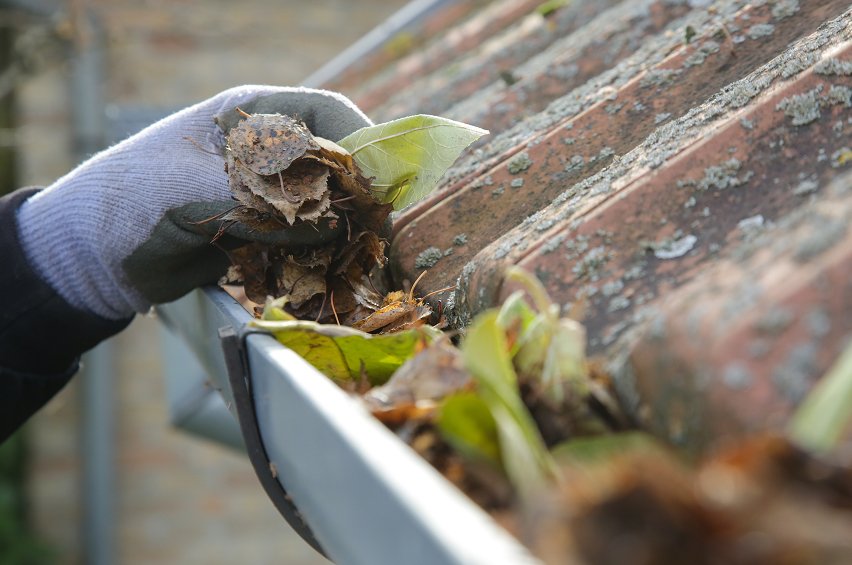
Your gutters channel thousands of gallons of water away from your home’s foundation every year. When they’re clogged, that water has nowhere to go, and that’s when you start to see leaks, wood rot, or foundation issues. Cleaning them out or having them professionally serviced keeps your drainage system running efficiently and protects your home.
Learning how to clean gutters properly safeguards your home from water damage and costly repairs down the road. Whether you tackle it yourself or hire help, knowing the process ensures you make the right call.
When and How Often Should You Clean Gutters?
Ultimately, fall is the most important time to clean your gutters — and the best time to schedule a cleaning is when we’re approaching the fall before we go into the winter months. Gutter cleaning companies get busy quickly this time of year, so scheduling in advance ensures your home is ready for the freezing weather.
You should clean your gutters at least twice a year. Most people clean their gutters once in late spring and again in the fall, but homes surrounded by trees (especially pines and oaks) may need cleaning three or four times per year, as pine needles and other debris can slip through gutter guards and create buildup.
Seasonal Cleaning Schedule
Most people clean their gutters in the spring to tackle the aftermath of winter storms and early blooms, and again in the fall after the leaves have dropped. The exact time of year depends on the weather, as you’ll want to do spring cleaning once the snow is gone but before the spring rainy season arrives. The best time for this is usually in April.
October or November is best for fall gutter cleaning. You want to clear your gutters before ice starts to form, so everything’s clean and ready for the winter. Some people also add a mid-summer check between major cleanings to catch any problems early, especially after a heavy storm.
How often to clean your gutters also depends on the type of gutters you have. Screens and covers reduce maintenance, but they don’t eliminate it. You still need to remove debris that accumulates on top of guards and check for clogs in the downspouts.
Signs Your Gutters Need Cleaning Now
Wondering when to clean the gutters? The warning signs might be staring back at you in between routine maintenance.
During inspections, our team often finds gutters filled with layers of dirt, leaves, twigs, and compacted mud that have accumulated over time. In many cases, you can even see an inch or more of standing water that’s not draining properly and slowing the flow to a trickle, which is a clear sign of a blockage.
As that debris is removed, the water begins to move again, “opening the floodgates,” as we like to say. But if it’s still draining slowly afterward, that usually means there’s additional blockage hiding in the downspout, not in the gutter itself. That’s one of the most common problems homeowners can’t see from ground level.
If you notice any of the following around your home, it’s time to schedule a cleaning:


When you spot these signs, your gutters are already struggling to do their job — and a quick cleanout now can prevent costly damage later.
Assessment: Can I Clean Gutters Myself?
Cleaning gutters yourself can save between $150 and $300 per visit, but it may not be the right choice for every homeowner. You can reach most rain gutters with a standard six-foot ladder and clean them safely with a few extra hours of time and effort — but two-story homes are trickier, as you’re working 25 feet off the ground and could injure yourself.
Your physical condition matters more than your willingness to save money. You need core strength and steady hands to balance yourself on a ladder while scooping wet leaves. If you have mobility issues or a fear of heights, hiring a professional service makes more sense.
DIY vs. Professional Cost Comparison
Besides the obvious savings of cleaning the gutters yourself vs. hiring a professional, you should consider these factors as well:
| Factor | DIY Cost | Professional Cost |
| Equipment (one-time) | $150–$300 | Included |
| Per cleaning labor | Your time only (4-6 hours) | $150–$300 |
| Yearly cost | Your time only | $300–$600 |
| Safety risk | Moderate to high | Low (insured) |
| Inspection | Self-assessment only | Professional damage check |
| Gutter repairs | You might miss issues | Identified early and repaired |
Safety Requirements and Risk Factors
You shouldn’t try to clean your gutters yourself until you’re aware of all the risks involved. More than 20,000 people suffer injuries from ladders in the United States each year, and you’ll be spending hours on a ladder as you work on your gutters.
Working in wet conditions also makes this job extra hazardous. Cleaning gutters in the rain is especially risky, as wet ladders can slip and wet shoes can slide on rungs. Rain makes it impossible to see what you’re doing, so it’s best to wait for storms to pass.
Essential Rain Gutter Cleaning Tools and Safety Equipment
You can’t clean gutters with only a ladder and a garden hose. The right tools make the job faster, safer, more thorough, and less stressful.
Must-Have Tools Checklist
Start with getting these basics before you climb any ladder:


Safety Equipment Requirements
Your ladder needs a Type I or Type IA duty rating. Type III household ladders can’t handle the constant repositioning of gutter work. Follow the 4-to-1 ratio, where you place your ladder base one foot from the house for every four feet of height. You’ll also need heavy-duty work gloves to protect yourself from sharp edges and decomposed debris.
As a safety precaution, make sure your belt buckle stays between the ladder rails at all times. Overreaching is a top cause of ladder accidents, so it’s best to climb down and move the ladder instead of stretching.
Optional Professional-Grade Tools
If you’d like to take it one step further than amateur, these tools separate occasional cleaners from serious DIYers:


When to Call a Professional
Even if you have all the time in the world and no fear of heights, it’s still a better idea to let professionals handle your gutter maintenance from the start. They’re trained to spot issues that amateurs don’t see, preventing problems down the road and keeping your home in top shape.
Here are some signs you should hire a professional rain gutter cleaning service instead of doing it yourself:
- Your home is three or more stories tall
- Gutters show visible damage, like cracks or separation from the fascia
- You feel uncomfortable being high off the ground
- Trees overhang most of your roofline
- You’re over 65 or have balance or mobility concerns
Contact M&M Gutters if you’re unsure about any aspect of the job. A professional assessment costs nothing and gives you peace of mind about your home’s drainage system.
What to Expect from a Professional Rain Gutter Cleaning
Whether you decide to go DIY or schedule a cleaning with M&M Gutters, here’s exactly what the process looks like from start to finish to keep your system running like new.
Step 1: Inspection and Debris Removal
Our installers begin by inspecting your gutters for built-up debris — everything from dirt and twigs to compacted leaves and standing water that’s stopped flowing. Using a scoop and bucket, we manually remove all visible buildup. As the debris comes out, you’ll often see water “open the floodgates” and begin to drain freely again.
Step 2: Checking the Downspouts
Once the central trough is clear, we look at how water exits through each downspout. If the flow is slow or uneven, that tells us there’s likely a blockage deeper in the downspout that you can’t see from above. This step helps us identify hidden clogs before they cause overflow or sagging.
Step 3: Clearing the Downspout Elbows
If we find a clog, our team carefully removes the affected elbow sections using a ¼-inch bit for the standard ¼-inch zip screws that hold the joints together. We disassemble, shake out, and clear any branches, compacted leaves, or mud inside — then securely reattach everything as it was. This ensures unobstructed water flow all the way to the ground.
Step 4: Flushing and Final Cleaning
After the major debris is gone, we use a hose to irrigate the gutters and wash away any fine dirt or grit. You’ll see clear water running from end to end, confirming every obstruction is gone. If necessary, we repeat the rinse process until the system flows smoothly.
Step 5: Final Check and Clean-Up
Before we leave, our crew double-checks for proper slope, tight hangers, and any visible damage to the gutters or fascia. We tidy up debris around your property so everything looks just as neat as when we arrived.
How DIY Rain Gutter Cleaning Works
If you’d rather clean your gutters yourself, the process is similar to what our team does, but on a smaller scale. You’ll use basic tools, take extra care with safety, and skip any heavy disassembly.
1. Safety Prep and Setup
Work only on dry, stable ground. Use a sturdy, Type I or IA ladder with a stabilizer, wear gloves and eye protection, and keep a bucket hooked nearby. Never lean past the ladder rails; move the ladder instead.
2. Remove Debris
Starting near a downspout, use a scoop or small trowel to clear out leaves, dirt, and twigs. Standing water or mud indicates a nearby blockage. Keep clearing until you see water begin to drain.
3. Check and Flush
Run a garden hose along the gutter to test the flow. If water backs up, flush the downspout from above. Avoid taking elbows apart unless you’re confident doing so. Stubborn clogs are best left to professionals.
4. Final Test and Inspection
When water flows freely, rinse the entire system once more. Check for leaks, sagging, or seams pulling away from the fascia.
If you spot damage or don’t feel comfortable at heights, schedule a quick visit from M&M Gutters for a full inspection.
Alternative Rain Gutter Cleaning Methods
Not every homeowner wants to climb a ladder, and you don’t always have to. There are several ground-based and alternative rain gutter cleaning methods that can make the job easier and safer.
Ground-Based Cleaning Options
For single-story homes, telescoping gutter-cleaning wands and curved attachments let you reach the gutter channel from the ground. These connect to a standard garden hose or wet/dry vacuum, allowing you to rinse or suction debris without leaving the ground. They’re great for quick mid-season touch-ups between professional cleanings.
Pressure Washing Techniques
A pressure washer can be used to blast out heavy buildup, but it requires care. Use a low-pressure tip and avoid spraying under shingles or against seams, which can loosen fasteners or push water behind siding.
Pressure washing is best for metal gutters and should always be followed by a visual inspection to ensure proper drainage.
Professional Equipment Options
Professional cleaners like M&M Gutters use commercial-grade vacuums, high-volume water systems, and safety-rated ladders to deliver a deep clean without damaging your gutter system. These tools reach clogs that DIY methods can miss — especially in tall or complex rooflines.
If you’re unsure which approach fits your home, an inspection can help determine the safest and most effective method.
Gutter Maintenance and Prevention
Once your gutters are clean, maintaining their cleanliness is the key to long-term protection. Regular maintenance and prevention can save you from bigger issues later.
Gutter Guard Installation
Gutter guards and screens reduce how often you’ll need cleanings by blocking larger leaves and debris. However, no guard is completely maintenance-free. Fine dirt, pine needles, and small twigs can still collect on top of guards or slip through the mesh. M&M Gutters can install and maintain guards to minimize clogs while ensuring proper drainage throughout the year.
Common Problems and Solutions
Even with regular care, gutters can face common issues over time:


Keep Your Gutters Flowing Worry-Free With M&M Gutters
Not sure if you should clean your own gutters or call in a professional? Contact M&M Gutters for an inspection and expert advice. Whether you need regular maintenance or a single service, we’ll keep your gutters clear, your home protected, and your weekends ladder-free.