


When you think about your roof, your mind probably jumps to shingles, gutters, and skylights. But what about the soffit and fascia, the other components used to protect your roof and enhance the appearance of your home?
Soffits and fascia are roofing components you might overlook when you’re ready to fix your home. Still, they make up your roofing system’s structural integrity and aesthetic appeal. So, what are soffit and fascia, and what’s the difference between them?
In this complete homeowner’s guide, we’ll share the difference between fascia and soffits and discuss why these two roofing components are essential for the construction and maintenance of your home.
Understanding Soffit: The Hidden Protector
Soffit is the hidden protector of your home, but what is soffit, and why does every roof need this essential component? Let’s discuss.
What Is Soffit?
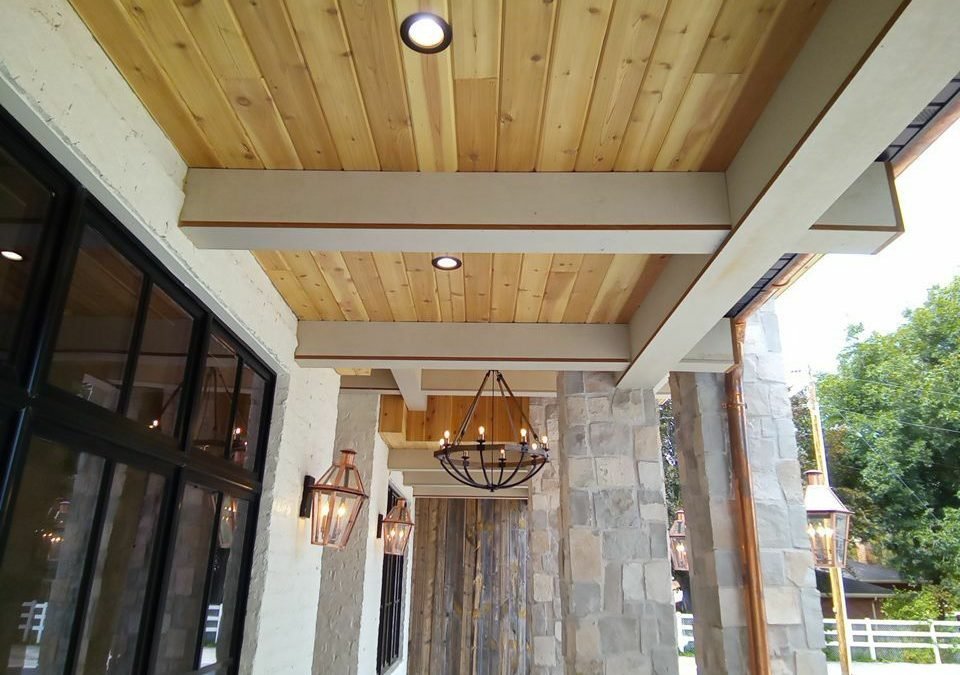
Soffit is the material installed underneath the overhang of your roof. This roofing component creates a finished look for your home and ensures your attic is properly ventilated.
Location and Purpose of Soffit
If you walk outside your house and look at the underside of your roofline, you’ll see a flat, horizontal surface. This is the soffit, which acts as the hidden protector of your home by sealing it off and keeping pests, water, and dry air from entering your attic.
Common Soffit Materials
You can choose many soffit materials for under your roof’s overhang. Each offers different benefits to reflect your needs, style, and budget:
- Vinyl: An affordable, lightweight material with various color options. Vinyl is easy to maintain and prevents rot and insects.
- Aluminum: As a strong and moisture-resistant material, aluminum protects against harsh weather conditions.
- Wood: Adds a warm touch to your home’s exterior and is easy to stain or paint.
- Fiber Cement: Made of cement, sand, and other wood fibers, fiber cement is a great option to protect your roof from pests, rot, weather, and fire.
- Steel: A very durable and fire-resistant material designed to keep your home safe during extreme weather conditions.
Fascia: The Visible Defender
Fascia is the visible defender of your home. This roofing component is a flat, vertical board along the edge of the roof’s overhang tucked right behind your gutters.
Key Functions of Fascia Boards
Fascia boards have many key functions in your roofing system:
-
- Holds your gutters in place during heavy rain or snow
- Supports airflow into your attic when paired with the soffit
- Gives your roof a clean finish
- Seals the edges of the roof to keep away moisture and pests
Common Fascia Materials
Just like soffit, fascia boards for your roofing system are made from a variety of materials, each offering advantages:
- Wood: Often made from cedar, fir, or pine to create a classic look for your home and is easy to cut, install, and paint.
- PVC/Vinyl: A cost-effective and low-maintenance material that keeps insects away with no painting required
- Aluminium: A lightweight, low-maintenance material used to protect your roof from rust
- Fiber Cement: Mimics the appearance of wood but is resistant to fire, weather, and insects, to protect your home during harsh weather conditions
- Composite: A combination of wood and plastic to keep away insects and protect your roof from rotting
- Steel: A very durable, lightweight, and fire-resistant material
Soffit vs. Fascia: Critical Differences
You might wonder, “What is the difference between fascia and soffits, and why do the two need to be paired together?” Great question! Let’s break down the differences between the two to learn what makes each of these roofing components unique.
Location and Placement
Soffits and fascia are located in two separate places of your roofing system. The soffit is found underneath your overhang and is placed from the fascia to the walls of your home. Fascia boards are the flat, vertical boards hidden behind your gutters and placed alongside the roof’s edge.
The simplest way to tell the difference is to step outside and look at your roof’s overhang. If you see a flat surface, that’s the soffit. Then, if you step back to the edge of your porch or lawn, look straight behind the gutters and see a flat, vertical board; that’s the fascia.
Specific Functions
Soffits and fascia boards might seem like they’re only designed to improve the exterior of your home, but they serve many specific functions.
- Soffits are a ventilation system for your roof and attic to ensure proper airflow and lower your risk of mold and mildew. Soffit also seals off entry for unwelcome rodents and insects.
- Fascia boards shield your roof from water damage by carrying rainwater and snow melt away to prevent structural damage to your roof. Fascia also makes up your home’s curb appeal and is sealed properly to keep away critters and insects.
Installation Considerations
Even if you’re a master at home improvement projects, there are a few things to consider when installing soffits and fascia for your roofing system.
Find Compatible & Weatherproof Materials
As a Utah resident, you know the weather can change within 30 minutes. Find compatible and weatherproof fascia and soffit materials that work with your existing roofing and siding materials to protect your roof from water and sun damage.
Support Your Gutters
Since fascia boards hold your gutters in place, you must use strong, reliable material. If you experience a lot of rainfall and heavy snow in your area, consider using steel or composite fascia board material.
Prioritze Safety & Precision
Use a ladder or rent a scissor lift to install the soffits and fascia boards into your roofing system. Don’t hesitate to hire a pro if you’re not 100% confident in your tools or techniques. While hiring a pro may seem expensive, the peace of mind and money you’ll save on costly repairs from a poor installation is worth every penny.
Why Soffits and Fascia Matter for Your Home
Every homeowner deserves to sleep soundly with a secure roof over their head, and you’re no exception. Soffits and fascia boards are the most critical roofing components to keep you and your loved ones safe. Here’s why.
Protection Against Weather Elements
Never underestimate the power of a storm. With soffits and fascia, you can protect your roof and attic from natural weather elements like rain, snow, or hail. Consider investing in fire-resistant roofing materials if you live in an area with dry weather conditions.
Ventilation Benefits
Soffits and fascia work together to ensure your attic is adequately ventilated by preventing hot air from entering your home. By pairing soffits and fascia together, you can:
-
- Prevent rot and mold in your attic
- Lower your energy costs
- Extend the lifespan of your roof
- Create a healthier living environment for your family
- Reduce your roofing repair costs
Pest Prevention
Birds, squirrels, bats, and insects are just a few of the annoying pests that can visit your home unexpectedly. Thankfully, soffits and fascia are placed in specific sections of your roofing system to close off entry and keep pests from becoming permanent residents in your attic.
Aesthetic Value
Soffits and fascia boards improve your home’s aesthetic value and structural integrity. These are available in various colors and finishes to match the style of your home and give your roofline a smooth, trimmed appearance.
Frequently Asked Questions About Soffits and Fascia
Have more questions about the difference between fascia and soffits before you start fixing up your home? Read through these answers to frequently asked questions.
Can You Replace Fascia Without Replacing Soffit?
Yes, you can replace fascia without soffit, but only if your soffit is in good condition. However, be careful not to damage the soffit as you replace the fascia.
What Are Two Common Problems With Soffits and Fascia?
While soffits and fascia boards protect your home from pests and water damage, there are certain materials that are more resistant than others. Ensure you choose durable, waterproof materials for your roof and seal the soffits and fascia properly during installation.
Do You Need Both Soffits and Fascia?
Yes, you need soffits and fascia to support your roof and protect your home. Soffit ensures proper air flow and keeps pests and moisture at bay, whereas fascia holds up your gutters and gives your home a clean, finished look.
What Does Soffit Look Like?
Soffit looks different depending on the material you choose for your roof. Most soffits appear white or beige with small ventilation holes or appear sleek and wood-like to match the color of your roof’s trim.
M&M Gutters: Your Soffit & Fascia Experts
Looking to improve your roofing system’s ventilation and curb appeal with a professional soffit and fascia installation? Contact M&M Gutters to receive a quote from our exterior home remodeling contractors in Utah.
Not sure if it’s time to replace your soffits and fascia? Read our blog to learn how to determine when you need soffit and fascia replacement.